Understanding the Sandakphu Trek
What is the Sandakphu trek?
The sandakphu trek is one of the most celebrated trekking routes in the Indian Himalayas, renowned for its panoramic views of the world’s tallest peaks. Nestled on the India-Nepal border, this trek leads adventurers to the summit of Sandakphu, the highest point in West Bengal. Reaching an altitude of 3,636 meters (11,929 feet), the trek showcases breathtaking vistas, including an unobstructed view of Mount Everest, Kanchenjunga, Lhotse, and Makalu, which are part of the majestic Himalayan range.
Historical Significance of Sandakphu trek
The Sandakphu trek carries a rich historical significance. Historically, this region has served as a crucial trade route between India and Nepal. The indigenous communities residing here have curated vibrant cultural legacies. The trek not only offers natural beauty but also a glimpse into the region’s past, reflected through the various monasteries and villages along the way. The cultural interactions here have significantly shaped the intricate tapestry of traditions, making the journey as enriching culturally as it is physically challenging.
Geographical Features of the Sandakphu trek
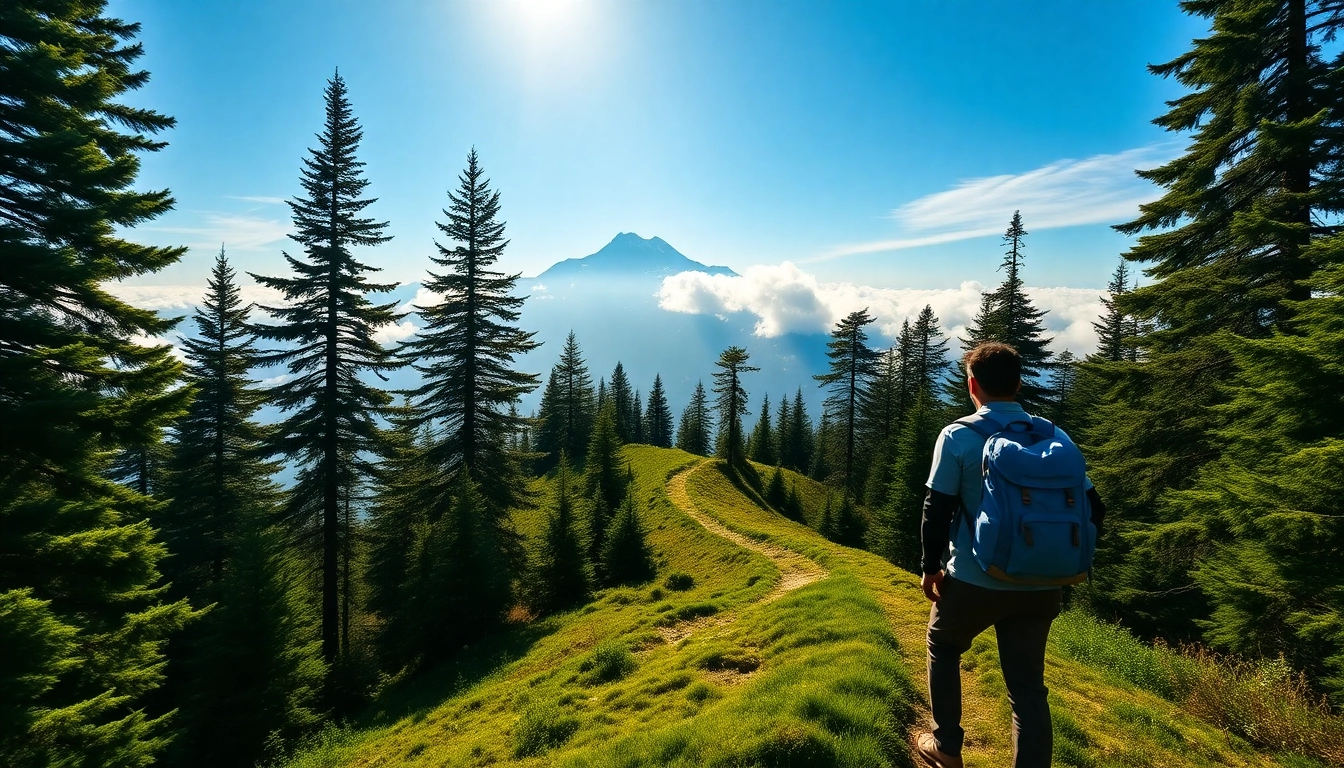
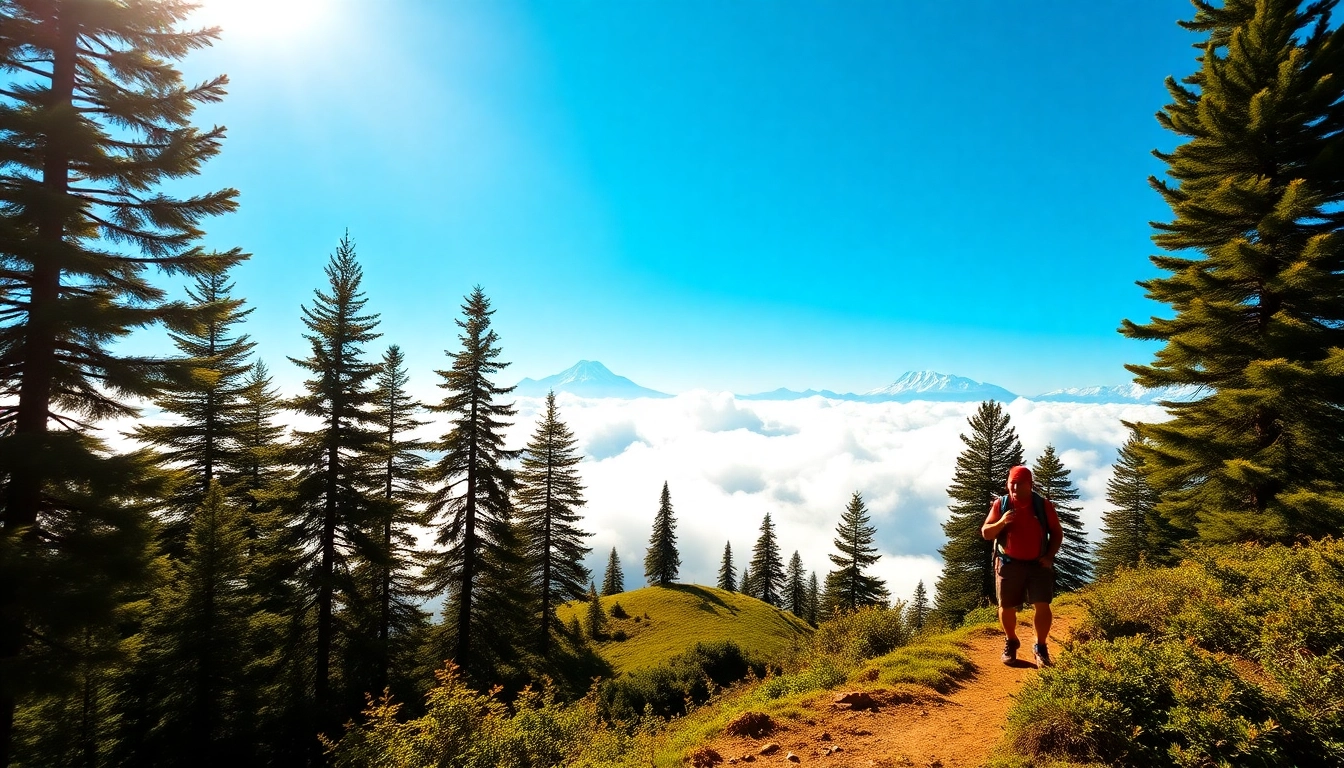
The geographical composition of the Sandakphu trek is remarkably diverse. Trekkers navigate through lush rhododendron forests, picturesque meadows, and rugged terrains. The route varies in its vegetation, transitioning from subtropical forests to alpine tundra. The landscapes are a vivid showcase of nature’s artistry, featuring expansive valleys, cascading streams, and the towering Himalayas that form a stunning backdrop. Each season transforms the trek, enhancing its charm with blooming wildflowers in spring and verdant foliage during the monsoon.
Planning Your Sandakphu Trek
Best Time to Undertake the Sandakphu trek
Determining the ideal time for the Sandakphu trek is crucial for an enjoyable experience. The best seasons are spring (March to April) and autumn (October to November). During these months, the weather remains pleasant, with daytime temperatures ranging from 10°C to 15°C (50°F to 59°F). Additionally, these periods offer clear skies, ensuring stunning visibility of the towering peaks. Although summer and winter treks are possible, they present additional challenges, including the monsoon’s heavy rains and winter’s biting cold.
Essential Gear for the Sandakphu trek
Preparing for the Sandakphu trek requires essential gear to ensure comfort and safety during the journey. Key items include:
- Footwear: Sturdy, waterproof trekking boots with decent ankle support.
- Clothing: Layered clothing suitable for variable weather conditions, including thermal wear, quick-dry shirts, and waterproof jackets.
- Backpack: A comfortable, lightweight backpack with adequate capacity for your gear and food supplies.
- Trekking Poles: Helpful for stability and reducing fatigue on ascents and descents.
- First Aid Kit: A must-have for minor injuries or emergencies.
Investing in good-quality gear can significantly enhance your trekking experience.
Cost Overview of the Sandakphu trek
The cost of undertaking the Sandakphu trek can vary based on several factors including the duration of the trek, the number of trekkers, and the type of accommodation chosen. On average, a well-organized trek, inclusive of permits, meals, and guides, may range from $150 to $300 per person for a 6-day trek. It is advisable for trekkers to budget for additional costs such as gear rentals, personal expenses, and tips for guides and porters. Engaging local guides not only supports the community but also enhances the trekking experience.
Navigating the Sandakphu Trek Route
Day-wise Itinerary for Sandakphu trek
The Sandakphu trek typically spans over 6 days, covering approximately 50 kilometers. A popular day-wise itinerary includes:
- Day 1: Drive from Bagdogra (or New Jalpaiguri) to Manebhanjan. Begin the trek to Tumling (2,850 meters), approximately 11 km.
- Day 2: Trek from Tumling to Tonglu (3,060 meters), about 7 km, with afternoon acclimatization activities.
- Day 3: Move from Tonglu to Kalapokhri (3,460 meters), a 16 km trek through forests and meadows.
- Day 4: Trek from Kalapokhri to Sandakphu (3,636 meters), roughly 8 km, culminating in breathtaking views at sunset.
- Day 5: An acclimatization day at Sandakphu with potential explorations around Phalut (3,600 meters) — a 22 km round trip.
- Day 6: Trek back from Sandakphu to Manebhanjan, closing the loop of this extraordinary journey.
This itinerary offers a structured approach while allowing flexibility depending on trekkers’ conditions and weather constraints.
Difficulty Level of the Sandakphu trek
The Sandakphu trek is classified as a moderate trek, suitable for individuals with basic fitness levels. While the trek can be challenging due to altitude and changing weather, most paths are well-defined and do not require technical climbing skills. However, a good level of endurance is necessary, especially on sections involving sustained ascents and descents. Novice trekkers are encouraged to undertake preparatory hikes to build stamina and familiarize themselves with trekking demands before embarking on this adventure.
Scenic Highlights Along the Sandakphu trek
One of the most compelling reasons to undertake the Sandakphu trek is the myriad of scenic highlights that punctuate the route. Some key attractions include:
- Pandim Peak: Provides stunning views and is a popular photography spot.
- Phalut: Known for its spectacular sunrise views, showcasing a panoramic vista of the Himalayan range.
- Rhododendron Forests: Particularly beautiful during spring, enveloping the paths in vibrant blooms.
- Ancient Monasteries: Visiting local monasteries introduces trekkers to the rich cultural tapestry of the region.
- Glimpses of Wildlife: Keeping an eye out for Himalayan black bears and various bird species can make the journey even more exciting.
Tips for a Successful Sandakphu Trek Experience
Health and Safety Tips for the Sandakphu trek
Prioritizing health and safety across your journey is paramount. Hydration is vital; drink ample water throughout the trek to avoid altitude sickness. Acclimatization is crucial, especially when reaching high altitudes, so take breaks and allow your body to adjust. Ensure you have personal identification and carry all necessary documents, including trek permits. Emergency health kits should include medications for common trek-related ailments like headaches or gastrointestinal issues.
Cultural Etiquette to Observe During the Sandakphu trek
Respect for local cultures and traditions enriches the trekking experience. Visitors should dress modestly, especially when in proximity to villages. It’s important to ask for permission before taking photographs of locals or their homes. Supporting local businesses by purchasing handmade crafts or food can foster goodwill. Few simple gestures, like greeting with a smile or ‘Namaste,’ can bridge cultural divides and create a more positive environment throughout the trek.
How to Prepare Physically for the Sandakphu trek
Physical preparation can drastically improve your enjoyment and performance on the Sandakphu trek. Begin with a structured fitness routine at least a few months in advance, incorporating endurance and strength training. Activities like hiking, brisk walking, cycling, and aerobic exercises can enhance cardiovascular capability. Attend local trails or moderate climbs to gain practice with uneven terrain and altitude. Proper hydration and nutrition, focusing on a balanced diet rich in protein and carbohydrates, will provide necessary energy reserves for the trek.
Frequently Asked Questions About the Sandakphu Trek
What is the best season for the Sandakphu trek?
The best seasons to undertake the Sandakphu trek are spring (March-April) and autumn (October-November) when weather conditions are most favorable for trekking.
Is the Sandakphu trek suitable for beginners?
Yes, the Sandakphu trek is moderate and suitable for beginners who maintain good physical fitness. However, beginners should prepare adequately with training hikes.
What are the main attractions along the Sandakphu trek?
Key attractions include stunning views of Everest and Kanchenjunga, colorful rhododendron forests, and charming local villages with rich cultural insights.
How difficult is the Sandakphu trek for seasoned trekkers?
For seasoned trekkers, the Sandakphu trek offers moderate challenges, mainly due to altitude and prolonged hiking. It’s an engaging experience allowing for scenic reflection.
Can I see Everest from the Sandakphu trek?
Yes, Sandakphu offers breathtaking views of Mount Everest, along with three other towering peaks, visible from the summit making it a delightful reward for trekkers.