
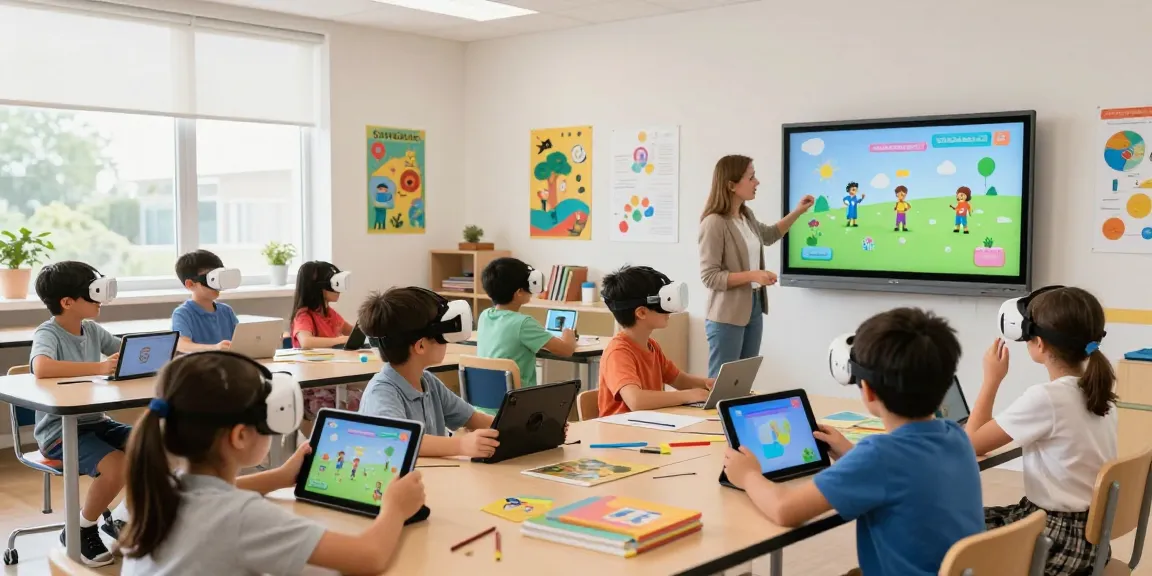
Understanding Edutainment: What it Means for Today’s Learners
In an increasingly digital world, where attention spans are short and engagement is paramount, the concept of edutainment has gained significant traction. Combining education and entertainment, edutainment leverages multimedia tools to create immersive learning experiences that resonate with learners of all ages. This innovative approach is not merely an enrichment tool; it is a necessity in today’s educational landscape, where traditional teaching methods often fall short of meeting the diverse needs of students.
Defining Edutainment in Modern Education
Edutainment, as a term, embodies the fusion of educational content with entertaining formats. It is a pedagogical strategy that encourages learning through engagement, utilizing video games, interactive apps, and narrative-driven multimedia content. The goal is to make learning enjoyable while still conveying critical information and skills. In this sense, edutainment transforms the monotonous aspects of education into captivating experiences that can stimulate curiosity and foster a love for learning.
The Evolution of Edutainment: A Historical Overview
The roots of edutainment can be traced back to earlier educational media, including educational films and radio programs, but the term itself gained prominence with the rise of the internet in the late 20th century. With the advent of platforms like PBS Kids, educators began to realize the potential of leveraging entertainment to captivate young minds. Fast forward to 2026, and edutainment has evolved into a robust sector that encompasses a plethora of formats from interactive websites to virtual reality experiences that provide both fun and learning opportunities.
Why Edutainment Matters in Child Development
Research shows that engaging children emotionally and cognitively through play enhances learning and retention. Edutainment promotes critical thinking and problem-solving skills, allowing children to learn in a risk-free environment. This method caters to various learning styles, whether through visual, auditory, or kinesthetic means. Furthermore, with the rise of screen time among children, integrating educational content into these platforms ensures that digital interaction is both constructive and beneficial.
Benefits of Edutainment: Engaging Learners Effectively
The myriad benefits of edutainment extend beyond mere enjoyment; it can fundamentally alter the way individuals perceive education. By fostering a positive learning environment, edutainment allows students to process information more deeply and meaningfully.
How Edutainment Boosts Engagement and Retention
One of the most significant advantages of edutainment is its ability to increase student engagement. Traditional educational formats often lead to disengagement due to their static nature. Conversely, edutainment utilizes interactivity—such as quizzes, games, and storytelling—to keep learners invested. According to studies, students exposed to educational games can retain up to 75% of the information presented, compared to just 10% from lecture-based learning, showcasing the profound impact of this method on information retention.
Real-World Applications: Successful Edutainment Examples
Numerous organizations have successfully integrated edutainment into their programs. For instance, the popular gaming platform Goxius offers a range of free educational games designed to teach various subjects without the need for installations or accounts. By focusing on skills and knowledge, Goxius exemplifies how edutainment can create a fun and educational environment. Other successful examples include National Geographic’s interactive documentaries and Duolingo’s language learning app, both of which illustrate the effectiveness of engaging formats in educational settings.
Measuring the Impact of Edutainment on Learning Outcomes
Measuring the effectiveness of edutainment can be challenging, but several metrics exist. Educators can assess improvement through standardized tests after students engage with edutainment materials, as well as through observational studies that track behavioral changes in engagement and enthusiasm toward learning. Many institutions are beginning to adopt these metrics, recognizing that engagement is a critical factor in achieving educational outcomes.
Challenges in Implementing Edutainment: Overcoming Barriers
While the benefits of edutainment are substantial, several challenges must be addressed to ensure successful implementation. Misconceptions about its effectiveness and equitable access can hinder its potential.
Common Misconceptions About Edutainment in Education
Some educators and parents might perceive edutainment as mere distraction, undermining its educational value. This misconception can lead to resistance against integrating these tools into the curriculum. Educators must communicate the pedagogical basis for these methods, emphasizing that when designed effectively, edutainment can significantly enhance learning and comprehension.
Addressing Equity Issues in Edutainment Access
Accessibility remains a pressing issue; not all students have equal access to technology or the internet. Educational institutions must work toward closing this digital divide by providing resources and support to underserved communities. Edutainment should be available across various platforms and modalities to ensure that every learner can benefit, regardless of their socio-economic status.
Strategies for Effective Edutainment Integration in Classrooms
Integrating edutainment into classroom instruction requires thoughtful planning and creativity. Teachers should curate high-quality edutainment resources that align with learning objectives, ensuring that the entertainment aspect complements educational goals. Professional development and training for educators can empower them to leverage these tools effectively, fostering an environment where learning becomes a joyful experience.
The Future of Edutainment: Innovations and Trends for 2026
The next few years promise exciting developments in the field of edutainment, fueled by technological advancements and changing educational paradigms. This section explores the innovations shaping the future landscape of this dynamic industry.
Exploring Emerging Technologies in Edutainment
Emerging technologies, such as augmented reality (AR) and virtual reality (VR), are set to revolutionize edutainment experiences. These technologies create immersive environments where learners can engage with content in ways previously unimaginable. For instance, VR can transport students to ancient civilizations or ecosystems, providing real-world contexts that enhance their understanding and retention of information.
Predictions on the Role of Edutainment in Remote Learning
With the rise of remote learning necessitated by global events, edutainment has taken center stage. It provides an engaging solution to the challenges of virtual classrooms, making learning interactive and enjoyable. As educators continue to adapt to online platforms, incorporating edutainment will be essential in keeping students engaged and motivated.
How Collaborations Shape Edutainment Experiences for Learners
Collaborations between educational institutions, content creators, and technology developers are pivotal in shaping the future of edutainment. These partnerships can lead to innovative resource development that meets diverse learning needs while ensuring that content remains fresh and relevant. By pooling resources and expertise, stakeholders can create high-quality edutainment that resonates with today’s learners.
FAQs About Edutainment: Your Questions Answered
What age groups benefit most from edutainment?
Edutainment is beneficial across various age groups, from preschoolers engaging with basic literacy games to adults utilizing interactive courses for professional development. The key is to tailor content to the specific developmental needs of each age group to maximize engagement and learning outcomes.
Can edutainment be effective in adult education?
Absolutely! Edutainment can be a powerful tool for adult learners as well. Many adults appreciate learning through relatable, entertaining formats that make complex subjects more approachable and memorable. Businesses increasingly use edutainment for employee training programs, enhancing both knowledge retention and job satisfaction.
How do I choose quality edutainment resources?
When selecting edutainment resources, look for those that combine educational rigor with engaging formats. Ensure that the content aligns with learning objectives and has been developed by reputable sources. User reviews and ratings can also provide insights into the effectiveness of these resources.
What are the best examples of edutainment platforms?
Some of the best examples of edutainment platforms include Goxius, which offers a variety of free educational games, and platforms like Khan Academy and PBS Learning Media, which provide a wealth of interactive learning experiences suitable for all ages.
How can parents support edutainment at home?
Parents can support edutainment by providing access to quality educational resources and setting aside dedicated time for cooperative learning activities. Engaging in these activities together not only enhances learning but also strengthens the parent-child bond, making education a shared journey.