Introduction to Fly Tying
Fly tying is an age-old craft that combines creativity, skill, and a passion for fishing. It involves creating artificial flies that are used in fly fishing to lure fish. Understanding the intricacies of this art can significantly enhance your fishing experience. Whether you are a beginner or an experienced angler, mastering fly tying can open new avenues for catching your desired species.
What is Fly Tying?
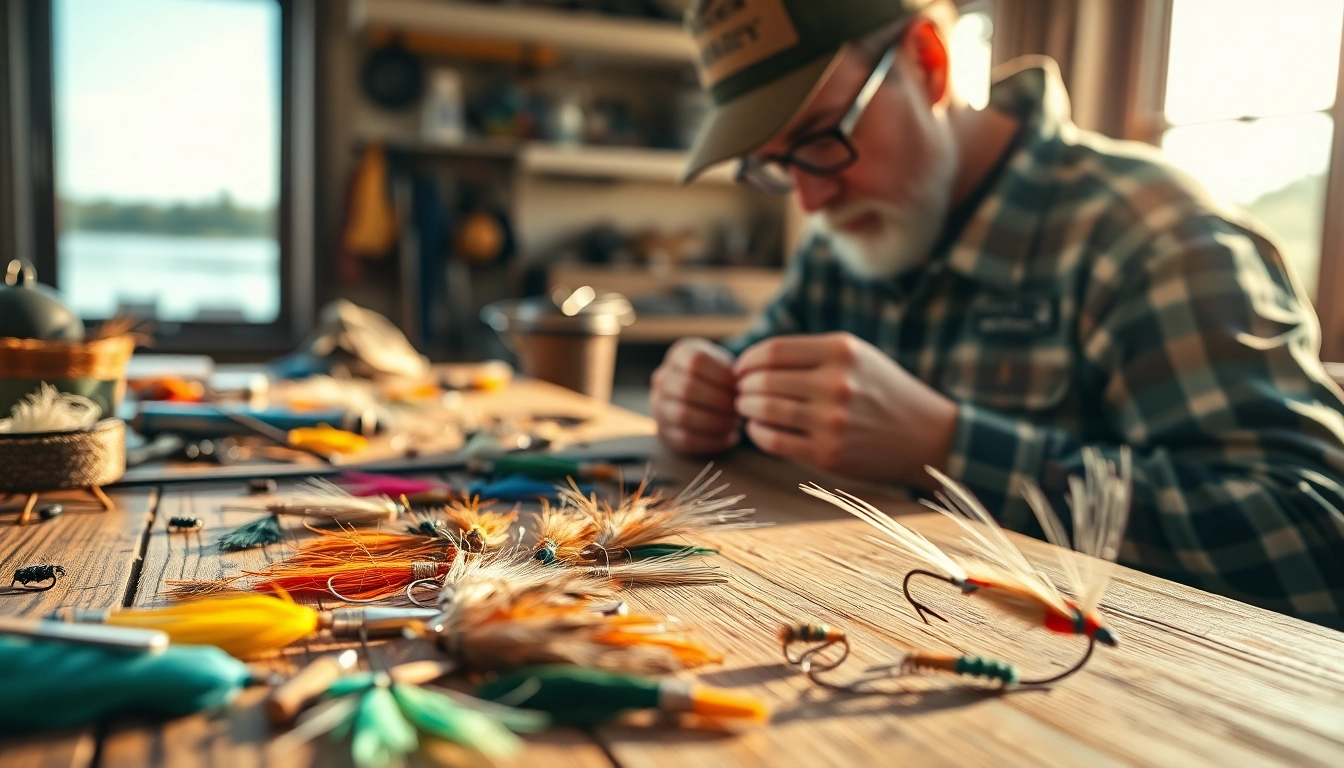
At its core, fly tying is the process of creating flies—small, artificial lures designed to imitate the appearance or movement of insects or bait fish. These flies are crafted using various materials, including threads, feathers, fur, and synthetic components, and are affixed to hooks meant specifically for fly fishing. The primary purpose of fly tying is to provide anglers with custom lures that can mimic the behavior and appearance of local prey, which in turn increases their chances of landing a catch.
Benefits of Fly Tying
Engaging in fly tying comes with a host of benefits. Firstly, it allows anglers to create personalized flies tailored to specific fishing conditions and local fish species. This customization can lead to more successful fishing trips. Additionally, fly tying can be a therapeutic activity; the repetitive motions and focus required can provide a meditative experience for many. Lastly, by learning this craft, anglers can significantly cut down on the cost of purchasing flies, which can add up over time.
Essential Tools for Fly Tying
Getting started with fly tying requires some essential tools that will aid in the creation of high-quality flies. These tools include:
- Vise: A good vise holds the hook securely while you tie materials onto it.
- Thread: This is used to wrap different materials onto the hook. Different weights and colors are available.
- Hooks: The base for your flies; they come in various shapes and sizes depending on your target fish.
- Scissors: Important for cutting excess materials and thread.
- Hackle Pliers: Used to hold feathers and hackles while wrapping them around the hook.
- Bobbins: Hold spools of thread and allow for easy threading.
- Dubbing Whirler: Helps create dubbing loops to add bulk to your flies.
Basic Fly Tying Techniques
Starting with the Basics
Before diving into fly tying, it’s crucial to familiarize yourself with the basic techniques involved. Start with simple patterns such as the Woolly Bugger or Adams, which are perfect for practicing your skills. Focus on mastering the art of wrapping the thread, securing materials to the hook, and understanding proportions. This foundational knowledge will set you on a path toward creating more complex patterns.
Choosing the Right Materials
Selecting the right materials for your flies is a critical aspect of fly tying. Natural materials like feathers and fur can give your flies a realistic look, while synthetic materials can offer durability and unique coloration options. Balance is key; choose materials that will work well together and enhance the design and functionality of your flies. For instance, tying a dry fly might require lightweight materials to ensure that it floats properly on the water’s surface.
Common Knots Used in Fly Tying
Knots are the backbone of fly tying. They are essential for securing materials and for attaching flies to tippets. Some common knots used in fly tying include:
- Improved Clinch Knot: Ideal for securing the fly to the tippet.
- Palomar Knot: A simple and strong knot perfect for attaching flies.
- Loop Knot: Allows for better movement of the fly in the water.
Practicing these knots will greatly improve your overall efficiency and effectiveness in fly tying.
Intermediate Fly Tying Patterns
Classic Fly Patterns to Try
Building on basic techniques, intermediate tiers should explore classic fly patterns. Flies like the Hare’s Ear Nymph, Royal Wulff, and Elk Hair Caddis are exemplary choices. These patterns have been proven successful over the years and can be adapted to various fishing environments. Each pattern offers a unique challenge, teaching you new techniques such as parachute tying and segment buildup.
Adapting Patterns for Local Waters
One of the most rewarding aspects of fly tying is the ability to adapt patterns specifically for your local waters. Pay attention to the aquatic life prevalent in your area. Observing what fish are feeding on will guide your color choice, size, and even the materials you use. Experimenting with modifications of classic patterns can help improve your chances of a successful outing.
Understanding Hydrodynamics in Fly Design
A deep understanding of hydrodynamics can significantly enhance your fly tying skills. Consider how water flows around different shapes. Flies that are too large may not mimic the natural movement of insects, while poorly weighted flies may sink too quickly or not at all. Taking the time to research and incorporate hydrodynamic principles into your designs will ultimately lead to more effective flies.
Advanced Techniques for Expert Tyers
Innovative Materials and Methods
As you progress to advanced fly tying, innovation becomes a critical element. Exploring new materials, such as UV-sensitive resins or holographic tinsel, can elevate your flies both visually and functionally. Additionally, consider techniques such as blending dubbing or using multi-layered materials to create depth and realism in your fly designs.
Customizing Flies for Specific Species
Customizing flies to target specific species is where many advanced tyers find their passion. Different fish species utilize varying feeding strategies, requiring tailored approaches. Research seasonal insect hatches and fish behavior to create flies that mimic those dynamics. Using size, color, and action adjustments can drastically increase your success rate.
Using Technology in Fly Tying
As technology evolves, so does fly tying. Incorporating tools such as 3D printing for creating custom components or utilizing software for designing fly patterns can vastly improve the efficiency and effectiveness of your tying process. Embrace technological advancements to explore uncharted territories in your fly designs, which can provide a competitive edge when on the water.
FAQs About Fly Tying
What materials do I need to start fly tying?
Begin with a vise, threads, hooks, feathers, and tools like scissors and hackle pliers.
How long does it take to learn fly tying?
Learning can vary; basic skills may take weeks, while mastering takes years of practice.
Can I use synthetic materials for fly tying?
Yes, synthetic materials offer durability and unique designs, expanding your options.
Are there different styles of fly tying?
Absolutely, styles vary based on traditions, techniques, and the type of flies you want to create.
What is the best way to store my tied flies?
Store flies in airtight containers away from moisture, ideally in UV-blocking materials.