
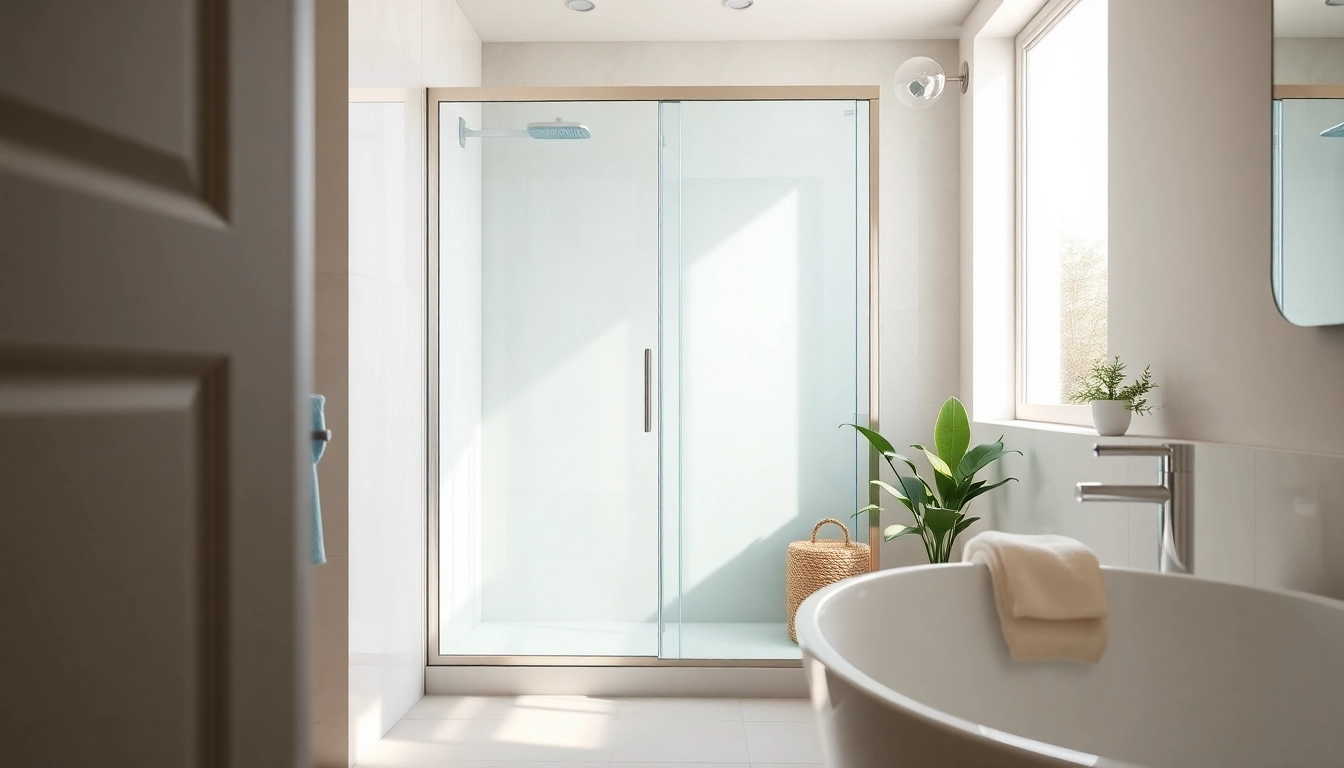
Understanding Shower Sliding Doors
What Are Shower Sliding Doors?
Shower sliding doors are a popular choice for modern bathrooms, offering both functionality and aesthetic appeal. They are designed to slide open and closed along a track, providing easy access to the shower area without requiring additional space for door swings. Made primarily of glass, these doors can create an illusion of space and light, making them ideal for compact bathrooms. Among the various options available, shower sliding doors stand out for their practical design and stylish appearance.
Types of Shower Sliding Doors
Shower sliding doors come in several types, each catering to different needs and bathroom styles. The most common types include:
- Single Sliding Doors: These have one panel that slides along a track. They’re suitable for smaller spaces.
- Double Sliding Doors: Featuring two panels that slide open from the center, these doors offer a wider entry.
- Curved Sliding Doors: These doors are designed for corner showers, combining style with effective space-saving.
- Framed vs. Frameless: Frameless sliding doors provide a sleek and modern look, while framed options are often more affordable.
Benefits of Choosing Shower Sliding Doors
Choosing shower sliding doors comes with multiple advantages:
- Space-Saving: Their sliding mechanism requires less floor space compared to traditional doors.
- Aesthetic Appeal: They can enhance the overall look of a bathroom, providing a clean and modern appearance.
- Easy Accessibility: Sliding doors allow for easy entry and exit, which is especially beneficial for those with mobility issues.
- Water Containment: Properly installed sliding doors effectively keep water inside the shower area.
- Customizability: They can be tailored to fit various shower dimensions and styles.
Key Features of Shower Sliding Doors
Frame vs. Frameless Designs
The choice between framed and frameless shower sliding doors can significantly impact the bathroom’s look and functionality. Framed doors are often more cost-effective but may detract from a minimalist design. On the other hand, frameless designs offer a seamless appearance that can enhance light flow and make the bathroom appear larger. The lack of bulky frames allows for easier cleaning, as there are fewer nooks and crannies for dirt and soap scum to accumulate.
Glass Thickness and Transparency
Another critical aspect is the glass used in shower sliding doors. The thickness of the glass not only impacts durability but also affects the overall aesthetic. Typically, glass panels range from 3/8″ to 1/2″ in thickness. Thicker glass is more robust and less prone to breakage, while also providing a premium feel. Transparency options, including clear, frosted, and tinted glass, allow homeowners to customize privacy levels while also enhancing the visual appeal of their bathrooms.
Hardware and Finishes
The hardware and finishes of shower sliding doors contribute significantly to their functionality and appearance. High-quality rollers and tracks ensure smooth operation and longevity, while finishes such as chrome, brushed nickel, or matte black can complement various bathroom styles. These details, while often overlooked, can elevate the door’s overall look and functionality, making the selection of well-designed hardware as crucial as the doors themselves.
Choosing the Right Shower Sliding Doors
Measuring Your Space Accurately
Before purchasing shower sliding doors, precise measurements are essential. Ideally, measure the height and width of the shower space, taking care to account for any obstructions like plumbing fixtures or shelving. Consider the wall space around the door for installation and ensure there’s enough room for the door to slide freely without hindrance. An accurate measurement ensures a better fit and easier installation, reducing the chances of costly mistakes.
Design Considerations for Your Bathroom
When choosing shower sliding doors, consider the overall design of your bathroom. The door style should align with the bathroom’s aesthetic, whether modern, traditional, or eclectic. For instance, minimalistic frameless doors can complement a contemporary setting, while framed doors may suit a more classic design. Additionally, think about the color palette and the materials of other fixtures to ensure a cohesive look throughout the space.
Budgeting for Quality Shower Sliding Doors
Quality shower sliding doors are an investment in your home, and it’s crucial to establish a budget that reflects this. Prices can vary based on materials, design complexity, and brand reputation. While it might be tempting to choose the cheapest option, consider durability, warranty, and potential maintenance costs. Set a reasonable budget that allows you to choose doors that will last, rather than opting for the lowest-priced alternative that may require frequent replacement.
Installation Tips for Shower Sliding Doors
Preparing Your Bathroom for Installation
A successful installation begins with proper preparation. Ensure the shower area is clean and free of any obstructions. Remove any old doors, hardware, and debris. Check that the walls are level, as uneven surfaces can lead to installation challenges. Also, gather all necessary tools and materials before starting the installation process to streamline the workflow and minimize interruptions.
DIY Installation vs. Professional Help
Many homeowners consider DIY installation as a cost-effective option. If you possess basic handy skills and the necessary tools, this might be feasible. However, for those unsure about their skills or unfamiliar with plumbing or structural considerations, hiring a professional can save time and ensure proper installation. A professional’s expertise can prevent errors that could lead to leaks or improper door functioning in the long run.
Common Mistakes to Avoid
Several common pitfalls can occur during the installation of shower sliding doors. These include:
- Inaccurate Measurements: Double-check all dimensions to avoid purchasing ill-fitting doors.
- Neglecting the Level: Ensure surfaces are level before installation to prevent operational issues.
- Over-tightening Hardware: Exerting too much force can damage glass and hardware.
- Inconsistent Spacing: Maintain uniform spacing between the door and the wall to allow for smooth operation.
Maintenance and Care for Shower Sliding Doors
Cleaning and Upkeep Best Practices
Regular cleaning and maintenance are crucial for prolonging the life of your shower sliding doors. Use non-abrasive cleaners to prevent scratching and ensure that any soap scum, hard water stains, or mildew are promptly addressed. A simple mixture of vinegar and water can effectively clean the glass while also serving as a natural disinfectant. Using a squeegee after each shower can minimize the buildup of grime on the surfaces.
Addressing Common Issues
Over time, several issues may arise with shower sliding doors, such as difficulty sliding, water leakage, or cracked panels. If the doors become stuck, check for debris in the tracks and remove any build-up. Water leakage may indicate that seals have worn out, requiring replacement. Regular inspections can help identify these issues early, preventing more significant problems down the line.
When to Replace Your Shower Sliding Doors
Shower sliding doors generally last a long time, but there are indicators that replacement might be necessary. If you notice persistent leaks, cracks that compromise safety, or continuous operational issues, it may be time to upgrade. A modern set of doors not only improves functionality but also enhances the overall bathroom aesthetic, contributing to your home’s value.
Frequently Asked Questions
1. How do I measure for shower sliding doors?
Accurately measure the height and width of the shower space, considering any obstructions. Include space for the door to slide comfortably.
2. Can I install shower sliding doors myself?
Yes, DIY installation is possible if you have basic skills. However, consider hiring a professional for better results and to avoid potential mistakes.
3. How do I maintain my shower sliding doors?
Cleansing regularly with non-abrasive cleaners and using a squeegee after each shower will help maintain the doors and prevent grime build-up.
4. What is the difference between framed and frameless shower doors?
Framed doors use a surrounding metal frame, while frameless doors have no frame for a sleek, modern look. Frameless options often allow more light and are generally easier to clean.
5. When should I replace my shower sliding doors?
Replace shower sliding doors if you notice leaks, broken seals, or significant wear and tear that affects functionality or safety.