
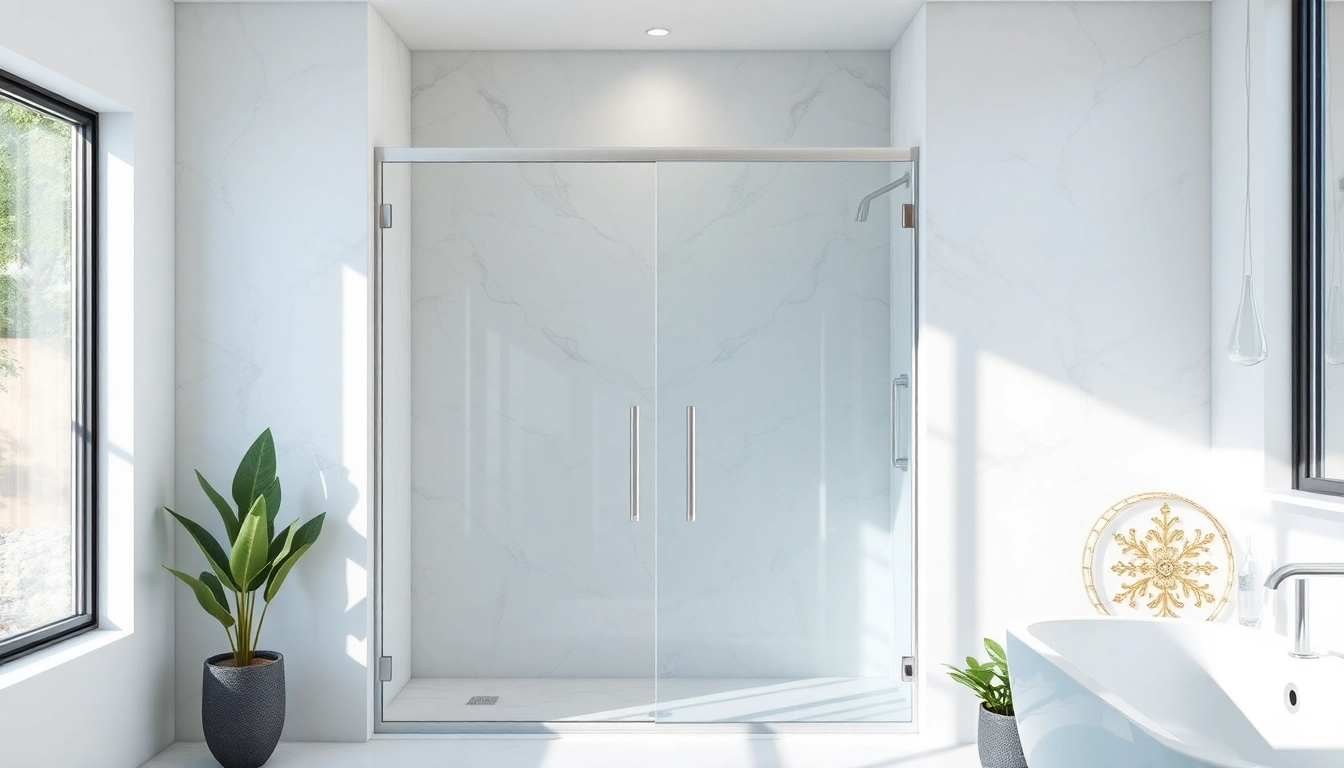
Understanding Sliding Shower Doors
What Are Sliding Shower Doors?
Sliding shower doors are a popular choice for modern bathrooms, characterized by their sleek and space-saving design. They consist of one or more panels that slide along a track, allowing effortless access to your shower space. Unlike traditional hinged doors, which swing open, sliding doors operate smoothly on a rail, making them particularly advantageous in bathrooms with limited space. The aesthetic appeal combined with practical functionality makes sliding shower doors a favorite among homeowners and designers alike. For further exploration, consider examining various sliding shower doors options available on the market.
Types of Sliding Shower Doors
Sliding shower doors come in various types, each designed to suit specific needs and preferences. Key types include:
- Single Sliding Doors: This design features one sliding panel that moves over a stationary panel. Ideal for smaller spaces, it is functional without compromising style.
- Double Sliding Doors: Comprised of two panels that slide in opposite directions, this option provides a wider opening, making it easier to enter and exit the shower.
- Bypass Sliding Doors: These are similar to double sliding doors but are designed for a more seamless look, where both panels can slide past each other.
- Corners Sliding Doors: Specifically designed for corner enclosures, these doors offer a stylish solution where traditional setups may not fit.
Benefits of Sliding Shower Doors
There are several noteworthy benefits associated with sliding shower doors:
- Space Saver: Their ability to slide instead of swinging makes them ideal for compact bathrooms where space is at a premium.
- Easy Access: The smooth sliding mechanism allows for easy access both entering and exiting, making it more convenient, especially for children and the elderly.
- Modern Aesthetics: Sliding doors often feature clean lines and minimal designs, contributing to a sleek, modern bathroom aesthetic.
- Variety of Materials: Sliding shower doors are available in various materials, including glass, plastic, and acrylic, allowing customization to match the overall bathroom décor.
- Reduced Water Leakage: Many sliding shower door designs include seals that minimize water leakage, keeping the bathroom floor dry.
Choosing the Right Style
Contemporary vs. Classic Designs
When selecting sliding shower doors, the available designs can dramatically impact the overall look and functionality of your bathroom.
Contemporary Designs: These doors are characterized by their minimalistic features, usually made of clear or frosted glass with sleek metal frames. They are often chosen for modern bathrooms looking to create a clean and spacious feel.
Classic Designs: In contrast, classic designs may feature ornate frames and traditionally styled glass patterns, appealing to those seeking a timeless touch. Choices like these are perfect for vintage or classic-style bathrooms.
Framed or Frameless: What to Choose?
The choice between framed and frameless sliding shower doors significantly affects both aesthetics and functionality:
- Framed Doors: These feature a metal framework that supports the glass panels. They are usually more affordable and provide extra stability, reducing the risk of breaking.
- Frameless Doors: Constructed with thick tempered glass, these doors are a luxurious option that offers a sleek appearance. They’re typically easier to clean and contribute to an open, airy feel, albeit at a higher price point.
Color and Finish Options
When choosing sliding shower doors, color and finish options are vital for harmonizing with your bathroom’s overall theme. Common choices include:
- Clear Glass: Offers an unobstructed view, enhancing the sense of space in smaller bathrooms.
- Frosted Glass: Provides privacy while still allowing light to pass through, making it a popular choice for family bathrooms.
- Tinted Glass: Offers a degree of decor and fades visible imperfections in the shower area.
- Metal Finishes: Available in chrome, brushed nickel, and oil-rubbed bronze, these finishes enable the customization of hardware in line with existing bathroom fixtures.
Installation Process for Sliding Shower Doors
Preparation Steps Before Installation
Proper preparation is essential to ensure a smooth installation process for sliding shower doors:
- Measure the Shower Area: Accurate measurements are critical for selecting the right size of doors. Take note of the height and width of the opening.
- Assess the Type of Shower Base: Determine if the shower base is a standard size or a custom shape, as this may influence your door selection.
- Clean the Installation Area: Ensure the area is free from debris and old fixtures to provide a clean working environment.
Tools Required for Installation
Gathering the necessary tools in advance can streamline the installation process. Here’s a list of essential items:
- Level
- Tape measure
- Drill
- Phillips and flathead screwdrivers
- Silicone caulk
- Safety goggles and gloves
Common Installation Mistakes to Avoid
To achieve optimal results, be mindful of these common installation errors:
- Inaccurate Measurements: Double-check all dimensions to ensure a proper fit.
- Neglecting Level Adjustments: Failing to properly level the tracks may lead to improper door function or leakage.
- Overlooking Caulking: A well-sealed edge with silicone caulk is crucial to prevent water leakage and protect surrounding materials.
Maintenance Tips for Sliding Shower Doors
Cleaning Techniques for Longevity
Routine maintenance is vital for keeping sliding shower doors looking pristine. Here are best practices:
- Regular Cleaning: Use mild soap and a soft cloth to clean the glass surfaces. Avoid abrasive cleaners that could scratch the glass.
- Glass Cleaner: Incorporate specially formulated glass cleaners for a streak-free shine.
- Track Maintenance: Regularly clean the tracks to prevent buildup of soap scum and debris, ensuring smooth sliding action.
Preventing Mold and Mildew
Moist environments can encourage mold and mildew growth around sliding shower doors. Here’s how to prevent it:
- Ventilation: Ensure the bathroom is well-ventilated, using an exhaust fan to reduce humidity levels.
- Quick Drying: After each shower, use a squeegee to remove excess water from the glass and frame.
- Regular Inspections: Check for any signs of mold and address them immediately to avoid bigger issues.
When to Replace Your Sliding Shower Doors
Knowing when to replace sliding shower doors can save you time, money, and hassle. Consider replacing them when:
- Frequent Repairs: If they require constant adjustments or repairs, it’s likely time for a replacement.
- Visible Damage: Look for cracks, chips, or rust that cannot be adequately repaired.
- Style Update: Changing your bathroom’s design may necessitate a modern look that old doors cannot accommodate.
FAQs About Sliding Shower Doors
How do I measure for sliding shower doors?
Measure the width of the shower opening at the top, middle, and bottom, and record the height from the base to the top of the enclosure for accurate sizing.
Can sliding shower doors work in small spaces?
Yes, sliding shower doors are ideal for small bathrooms due to their space-saving design, eliminating the need for door swing clearance.
What materials are best for sliding shower doors?
Common materials include tempered glass for durability, acrylic for affordability, and aluminum frames for corrosion resistance, balancing aesthetics and function.
How do I prevent water leakage from sliding shower doors?
Ensure proper installation with high-quality seals and regularly check and replace any worn-out gaskets to minimize leakage.
Are sliding shower doors easy to clean?
Yes, with regular maintenance and proper cleaning techniques, sliding shower doors can remain easy to clean and maintain their clarity and shine.