Understanding the Versatility of Abayas
Abayas are more than just garments; they are a powerful representation of culture, identity, and style. These elegant pieces are often associated with modest fashion, making them a staple in the wardrobes of many women around the world. As we explore the versatility of Abaya, we will delve into its definition, historical significance, and the modern interpretations that have emerged in recent years.
What is an Abaya?
An abaya is a loose-fitting, full-length robe traditionally worn by women in many Middle Eastern countries. Typically crafted from lightweight fabrics, it allows for ease of movement while maintaining modesty. The design varies significantly depending on cultural preferences, fashion trends, and personal style, which contributes to its adaptability across different settings, from everyday wear to formal occasions.
Historical Significance of Abayas
The history of the abaya is deeply rooted in the cultural and religious traditions of the Arab world. Originating as a practical garment that offered protection from the sun and dust, it has evolved into a symbol of modesty and elegance. In the past, the abaya was predominantly black, which is still common today; however, contemporary designs now incorporate a variety of colors and styles, reflecting the dynamic nature of fashion.
Modern Interpretations of Abaya Fashion
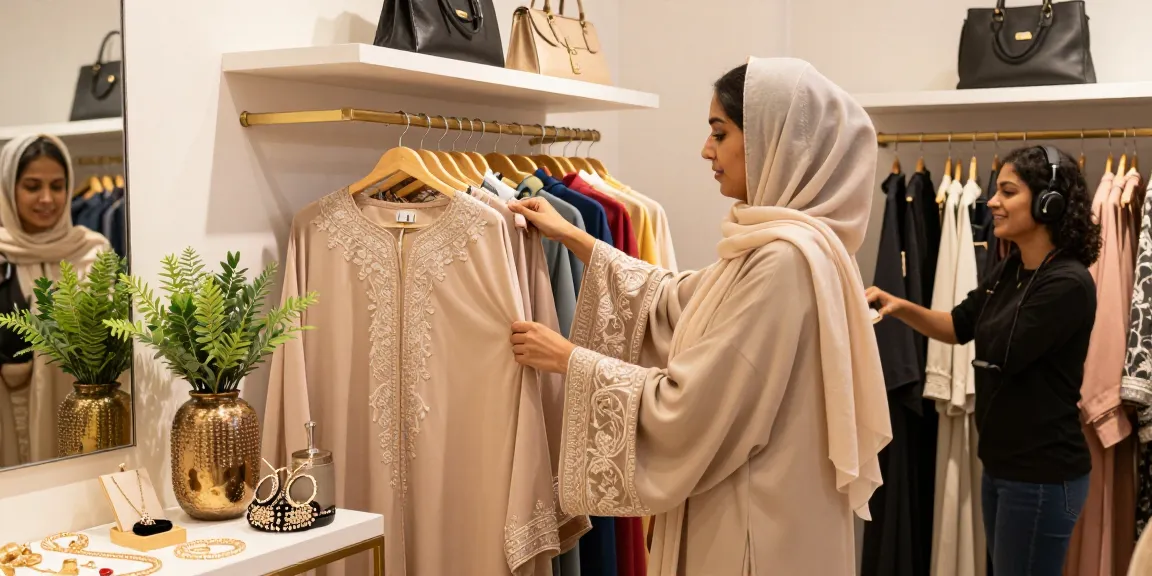
Today’s abayas are a blend of tradition and modernity. Designers are experimenting with diverse fabrics, cuts, and embellishments, leading to a wide array of styles that appeal to younger generations and fashion-forward individuals. Modern abayas may feature intricate embroidery, lace overlays, and even bold prints, allowing women to express their personal style while adhering to cultural norms.
Choosing the Right Fabric for Your Abaya
When it comes to selecting the perfect abaya, fabric choice plays a crucial role in both comfort and style. Various fabrics offer different benefits and styles, making it important to understand the options available. Fabrics such as chiffon, georgette, and silk are popular due to their lightweight nature and flowy appearance, while cotton and linen are favored for their breathability and comfort, especially in warmer climates.
Common Fabrics and Their Benefits
- Chiffon: Lightweight and sheer, chiffon adds elegance to an abaya, making it perfect for evening wear.
- Silk: Luxurious and soft, silk abayas provide a high-end look and feel, ideal for special occasions.
- Cotton: Known for its breathability, cotton is perfect for everyday wear, especially in hot weather.
- Linen: Similar to cotton but with a more textured feel, linen is also breathable and stylish.
Seasonal Fabric Recommendations
Choosing the right fabric for each season is essential for comfort and style. In summer, opt for lighter materials like chiffon and cotton that allow air circulation and keep you cool. For fall and winter, heavier fabrics such as silk or layered cotton can retain warmth while maintaining sophistication.
Caring for Your Abaya
To ensure your abaya remains in good condition, proper care is crucial. Always follow the washing instructions on the label, and if your abaya has delicate embellishments, consider hand washing it to prevent damage. Ironing at low temperatures can help maintain the fabric’s integrity, especially for silk and chiffon fabrics.
Styling Tips for Everyday Wear
Abayas can be effortlessly styled for a variety of occasions, whether it’s a day at work or a casual outing. Here are some tips to enhance your everyday look while wearing an abaya.
Layering with Hijabs and Accessories
Layering is key to creating a stylish ensemble with an abaya. Pair it with a matching hijab to unify your look. Accessories such as statement necklaces or elegant belts can add flair without overwhelming the simplicity of the abaya.
Footwear Pairing for Different Occasions
- Casual Outings: Choose comfortable flats or sandals that complement the colors of your abaya.
- Work Settings: Opt for sleek loafers or low-heeled shoes for a polished and professional appearance.
- Formal Events: Elegant heels can elevate your abaya, especially if it is adorned with embellishments.
Color Coordination Techniques
Understanding color coordination is essential to styling your abaya effectively. Opt for neutral tones for versatility, while vibrant colors can be reserved for special occasions. Monochromatic outfits can create a chic look, while mixing patterns and textures can add interest and personality.
Elevating Your Abaya for Special Occasions
Special occasions call for a more glamorous approach to abaya styling. With the right choices, you can transform your abaya into a stunning outfit suitable for weddings, parties, or formal gatherings.
Choosing Embellishments for Formal Events
When selecting an abaya for a formal event, consider embellishments such as embroidery, sequins, or beadwork. These details can add an element of sophistication and make your ensemble stand out. Ensure that the embellishments complement the overall design of the abaya for a cohesive look.
Seasonal Trends for Event Style in 2026
The fashion landscape is continuously evolving, and 2026 is expected to bring fresh interpretations of abaya designs. Expect to see trends like vibrant patterns, mixed materials, and innovative cuts. Designers are also focusing on eco-friendly practices, with sustainable fabrics becoming more prominent in formal wear.
Cultural Styling Tips for Celebrations
When attending cultural celebrations, it’s important to select an abaya that resonates with the occasion. Research the traditions associated with the event to ensure respectful styling choices. Incorporate culturally significant colors or patterns to honor the heritage being celebrated.
Future Trends in Abaya Fashion
As we look ahead to the future of abaya fashion, several trends are poised to shape the industry. From innovative materials to digital influences, the evolution of the abaya promises to be exciting and dynamic.
Innovative Materials and Sustainable Fashion
The move towards sustainability is influencing fabric choices in the fashion industry, including abayas. Expect to see more use of organic fabrics and recycled materials, combining style with environmental consciousness. Innovative materials that offer breathability and comfort while being eco-friendly will likely become a staple in modern abaya designs.
Digital Influences on Abaya Styles
Social media platforms and digital influencers are playing a significant role in shaping abaya fashion trends. Online interactions are creating a new realm of fashion influence, where trends can spread rapidly and reach a global audience. Following fashion influencers can provide inspiration for styling abayas in unique ways.
Emerging Designers and Fashion Movements
As the industry grows, new designers are bringing their perspectives to abaya fashion. Emerging designers often blend traditional elements with contemporary flair, appealing to a broader audience. Support for these creative voices will continue to shape future abaya trends and drive innovation within the fashion community.
What styles of abayas are trending?
Currently, styles that are gaining popularity include the kimono-style abayas, which feature wide sleeves and an open front, and the tailored abayas that focus on structured silhouettes. Additionally, off-the-shoulder and asymmetric designs are becoming more mainstream, allowing for greater expression and individuality.
How can I accessorize my abaya for maximum impact?
To maximize impact, consider using bold accessories that create a focal point, such as oversized earrings or a statement handbag. A contrasting hijab can also draw attention and complete your look, ensuring all elements work harmoniously together.
Are there abaya styles suitable for plus-size figures?
Absolutely! Designers are increasingly offering a range of options catering to plus-size women, with styles that emphasize comfort and style. Look for abayas that feature flowy cuts, empire waists, or layered designs to create a flattering shape.
What fabric is best for summer abayas?
For the summer months, lightweight fabrics such as cotton, chiffon, and jersey are ideal, as they are breathable and comfortable even in high temperatures. These materials allow for ease of movement and help keep you cool while maintaining elegance.
How to care for an embroidered abaya?
Embroidered abayas require special attention to preserve the intricate designs. It’s advisable to hand wash them in cold water and avoid putting them in the dryer. Instead, air-dry your abaya and store it in a way that prevents the embellishments from snagging.