Understanding Chenin Blanc: An Overview
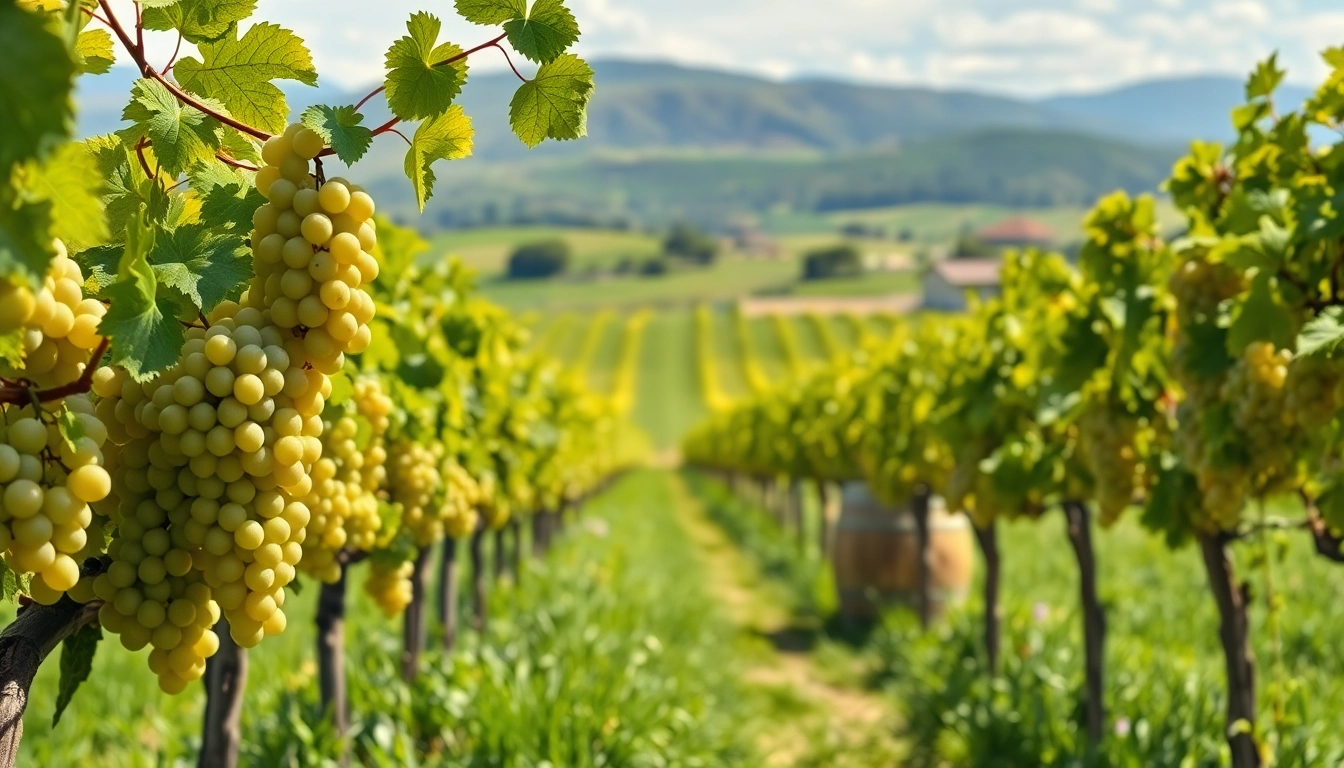
Chenin Blanc is a versatile white grape variety that hails primarily from the Loire Valley of France. Revered by wine enthusiasts and sommeliers, it is celebrated for its adaptability and range of styles from dry to sweet. This grape showcases stunning expressions depending on the terroir, making it a must-know for both novice and seasoned wine drinkers. For a deeper exploration of Chenin Blanc, visit Chenin Blanc producers who delve into every aspect of this enchanting varietal.
What is Chenin Blanc?
Chenin Blanc is a grape variety known for its high acidity and ability to produce wines with a wealth of flavor complexity. It can thrive in diverse climates and is crafted into sparkling, dry, sweet, and dessert-style wines. Chenin Blanc wines often possess a refreshing crispness while also offering the potential for rich, complex flavors when produced from old vines or specific growing conditions.
History and Origins of Chenin Blanc
This grape's origins can be traced back to the Loire Valley, where it has been cultivated since the 9th century. The variety was brought to prominence in the vineyards of Anjou and Saumur, where monks were instrumental in its early cultivation. During the 20th century, Chenin Blanc saw a decline in popularity due to the rise of global varietals like Chardonnay, but it has recently made a resurgence in both its native region and around the world due to its unique characteristics and food pairing versatility.
Key Characteristics of Chenin Blanc
Chenin Blanc is renowned for its immense versatility. The grape can produce high-acid wines, often marked by flavors of green apple, pear, and citrus. In sweeter styles, one can detect notes of honey, apricot, and tropical fruits. Its pronounced acidity makes it an ideal choice for aging, further developing the flavors into something more profound and complex. Additionally, the grape's ability to reflect the terroir means that it can vary remarkably from one region to the next.
The Flavor Profile of Chenin Blanc
Tasting Notes and Aromas
Chenin Blanc can showcase a broad spectrum of flavors and aromas depending on its style and the terroir where it is grown. Dry Chenin Blancs are often characterized by their crisp acidity and fruity notes like green apple, quince, and lemon zest, accompanied by floral aromas of honeysuckle or jasmine. In contrast, sweeter Chenin Blancs can present flavors of ripe stone fruits, honey, and exotic spices. The wine’s complexity evolves with aging, developing a richer, nuttier profile interlaced with mineral undertones.
The Influence of Terroir on Chenin Blanc
Terroir plays a pivotal role in determining the taste and style of Chenin Blanc. Elements such as soil composition, climate, and vine age significantly influence the wine's expression. For example, Chenin Blanc grown in the chalky soils of the Loire Valley often exhibits minerality with a finesse that is distinct to the region. Conversely, Chenin Blanc produced in warmer climates, such as South Africa, may present riper fruit characteristics and fuller body due to higher sugar levels at harvest.
Comparing Chenin Blanc to Other White Wines
While Chenin Blanc shares some similarities with other white varietals, it stands apart due to its unique acid structure and flavor profile. Unlike the buttery richness often associated with Chardonnay, Chenin Blanc maintains a refreshing crispness. Compared to Sauvignon Blanc, which can be intensely aromatic and grassy, Chenin Blanc offers more depth in flavor, particularly when sourced from old vines or specific growing regions.
Perfect Food Pairings for Chenin Blanc
Meat and Fish Pairings
The versatility of Chenin Blanc makes it an excellent companion to an array of dishes. For white meat, grilled chicken or turkey complemented with lemon and herbs harmonizes beautifully with Chenin's citrus notes. Likewise, rich fish like salmon or a tangy ceviche pairs well, as the wine's acidity can cut through the richness while enhancing the flavors of the dish.
Cheese and Vegetable Suggestions
Chenin Blanc’s crisp acidity and bright fruit flavors work exceptionally well with a variety of cheeses. Soft cheeses such as goat cheese or Camembert can bring out the wine’s fruity notes, while aged cheeses like Gouda complement the wine’s depth. For vegetables, roasted asparagus or sautéed greens can provide a nuanced flavor pairing, especially when drizzled with a citrus vinaigrette that echoes the wine’s acidity.
Desserts That Complement Chenin Blanc
When it comes to desserts, a sweeter Chenin Blanc shines. Pair it with fruit tarts, panna cotta, or creamy cheesecakes, where the wine's inherent sweetness balances the richness of the dessert. Exotic fruit salads, drizzled with honey or caramel, will also enhance the beautiful flavors found within the wine, creating a delightful end to any meal.
Cultivating Chenin Blanc: Viticulture Practices
Ideal Growing Conditions for Chenin Blanc
Chenin Blanc thrives in regions with moderate climates, experiencing warm days and cool nights, which help retain its characteristic acidity. The grape is particularly suited to well-drained soils, which facilitates healthy vine growth. Optimal growing conditions also include adequate sunlight, thus enabling the grapes to ripen fully without losing their vital acidity, allowing wine producers to create a balanced and complex final product.
Common Pests and Diseases
Like any grape variety, Chenin Blanc is susceptible to pests and diseases. The vine has to contend with common grape pests such as phylloxera and spider mites, as well as diseases like powdery mildew and downy mildew. Proactive vineyards employ integrated pest management strategies, combining organic and conventional methods to control these threats while minimizing the impact on the environment and preserving grape quality.
Harvesting Techniques for Best Yield
Harvesting Chenin Blanc at the right time is crucial for achieving optimal quality. Manual harvesting allows for selective picking of the best grapes, ensuring uniformity in ripeness and quality. Timing is essential; grapes should be picked during cooler hours of the day to maintain their acidity levels and aromatic qualities. Additionally, the harvest can occur at different times based on whether the desired style is dry, off-dry, or sweet.
Frequently Asked Questions About Chenin Blanc
What is the ideal serving temperature for Chenin Blanc?
The ideal serving temperature for Chenin Blanc is between 45-50°F (7-10°C) for dry styles and slightly warmer for sweeter varieties at about 50-55°F (10-13°C).
Is Chenin Blanc a sweet wine?
Chenin Blanc can be produced in a range of styles from dry to sweet, depending on the winemaker’s choice. The sweetness levels can vary significantly including off-dry and dessert versions.
Can Chenin Blanc be aged?
Yes, Chenin Blanc can age well due to its high acidity. Quality wines can develop nuanced flavors and complexity over time, making them excellent candidates for cellaring.
What regions produce the best Chenin Blanc?
The Loire Valley in France is the traditional home of Chenin Blanc, but outstanding expressions can also be found in South Africa, California, and Australia, showcasing the grape's adaptability.
How should I store Chenin Blanc wines?
Store Chenin Blanc in a cool, dark place, ideally around 55°F (13°C) with consistent humidity. Bottles should be laid flat if they have a cork to maintain moisture and ensure a proper seal.