Understanding Bed Bugs: Identification and Lifecycle
Bed bugs are more than just an annoyance; they can disrupt your life and compromise your peace of mind. Understanding these pests is crucial for effective management and bed bug removal. This guide will delve into identifying bed bugs, recognizing the signs of an infestation, and exploring their lifecycle and behavior.
What Are Bed Bugs?
Bed bugs, scientifically known as Cimex lectularius, are small, nocturnal insects that feed on the blood of humans and animals. Adult bed bugs are approximately 5-7 millimeters long, resembling an apple seed in shape and color. Their flat bodies allow them to hide easily in crevices, making detection challenging.
Signs of Bed Bug Infestation
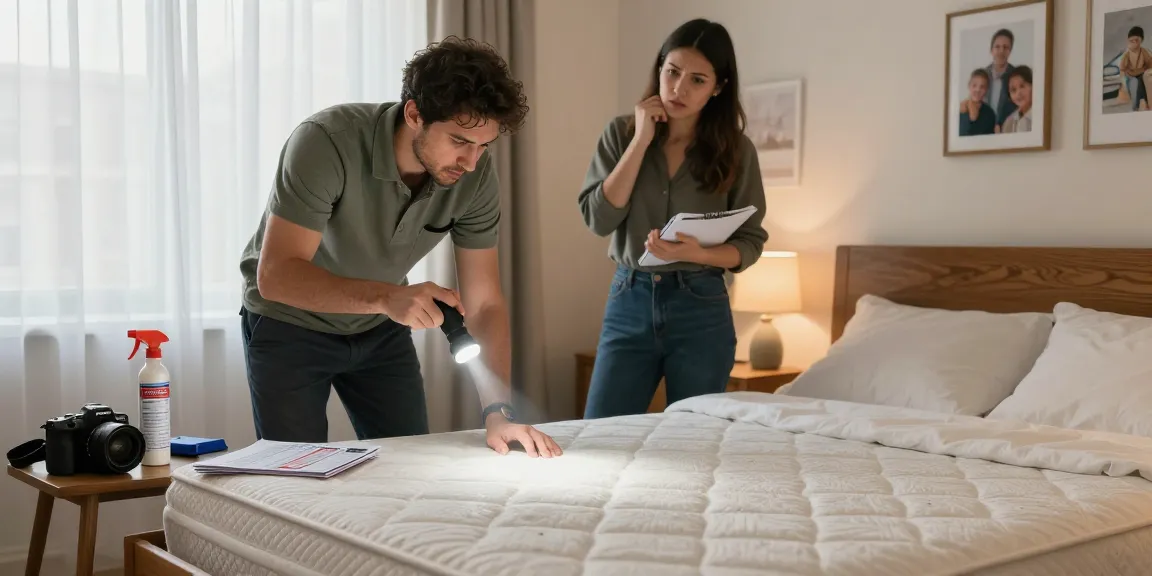
Identifying a bed bug infestation early can prevent further problems. Look out for the following signs:
- Small bloodstains on sheets and mattresses.
- Dark, ink-like spots which are bed bug fecal matter.
- Molted bed bug skins, as they go through five molting stages.
- Bed bug bites, which often appear as red, itchy welts on the skin.
Lifecycle and Behavior of Bed Bugs
The lifecycle of bed bugs consists of three main stages: egg, nymph, and adult. A female bed bug can lay up to 500 eggs in her lifetime, with optimal laying conditions at around 80°F (27°C). Nymphs require blood meals to mature into adults, and they can survive several months without feeding, making them resilient pests.
Bed bugs are primarily nocturnal but can feed during the day if their host is present. They tend to stay within 8 feet of their food source, often hiding in dark, isolated places such as mattress seams, bed frames, and cracks in walls.
Effective Bed Bug Removal Techniques
When it comes to effective bed bug removal, various methods can be employed based on the severity of the infestation and your specific needs. Here are the most trusted techniques available today:
Heat Treatment for Bed Bug Removal
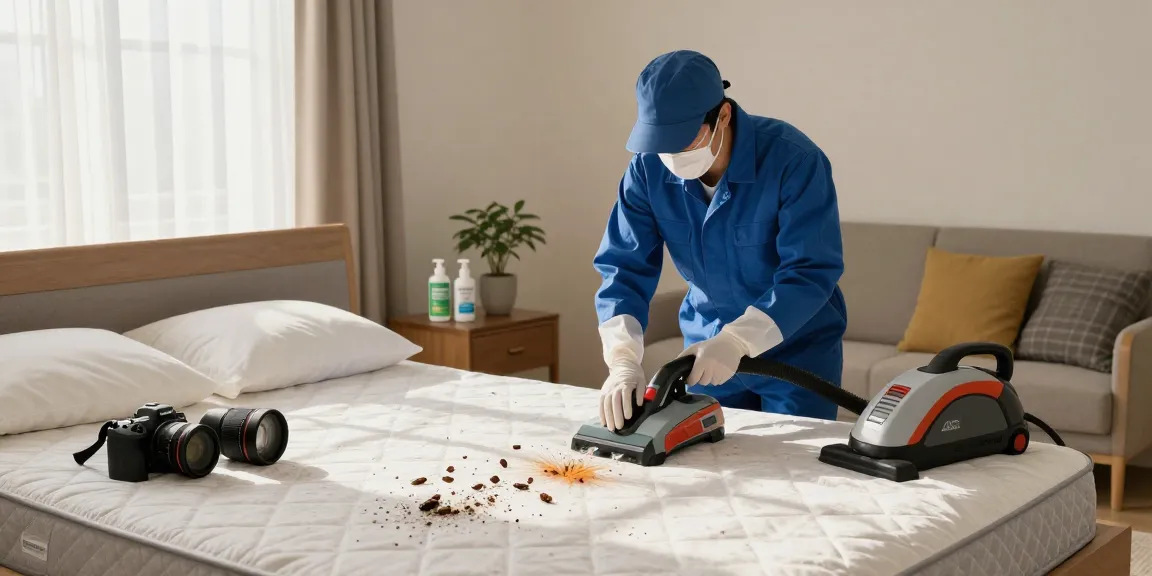
Heat treatment is one of the most effective ways to eliminate bed bugs, as it kills them at all life stages, including eggs. This method involves raising the temperature in a room to a level that is lethal to bed bugs. The process is chemical-free, making it environmentally friendly and safe for households, including those with children and pets.
Chemical Spray Options and Effectiveness
Chemical sprays are widely used for bed bug extermination. These products can create a residual barrier that lasts for an extended period, often up to 120 days. While thorough preparation ensures the best results, many pest control companies offer limited-prep options for convenience at an additional cost.
It is essential to follow the manufacturer’s instructions closely when using chemical treatments to ensure safety and effectiveness.
Integrated Pest Management (IPM) Approaches
Integrated Pest Management (IPM) combines various strategies to create a comprehensive plan for bed bug control. This approach includes:
- Regular monitoring and inspections.
- Combining chemical and non-chemical treatments.
- Education about preventing future infestations.
IPM is not only effective at addressing current infestations but also helps in preventing future ones.
Cost Considerations for Bed Bug Removal
Understanding the costs associated with bed bug removal can inform your decision-making process. Prices can vary widely depending on the treatment method and the extent of the infestation.
Comparative Analysis of Treatment Costs
Typically, heat treatments may be more expensive upfront compared to chemical treatments, but they often result in a quicker resolution. On the other hand, chemical treatments usually offer longer-lasting protection, making them a viable option for those with recurrent issues.
Insurance and Financing Options
Some homeowners’ insurance policies may cover pest control treatments, so it’s advisable to review your policy or speak with your provider. Additionally, many pest control companies offer financing options to help spread the cost over time.
Long-Term Savings Through Preventative Measures
Investing in preventative measures, such as regular inspections and treatment, can save homeowners considerable money in the long run. Addressing potential problems before they escalate into full-blown infestations can minimize future expenses significantly.
Choosing the Right Exterminator in Milwaukee
If you find yourself grappling with a bed bug infestation, selecting a reputable exterminator is crucial. Here are some tips for making the right choice:
What to Look for in a Bed Bug Exterminator
Look for exterminators who specialize in bed bug treatments, as they possess the specific knowledge and tools necessary for effective elimination. Also, confirm that they are licensed and insured, which ensures a level of professionalism and accountability.
Questions to Ask Before Hiring
Before making a decision, ask potential exterminators the following questions:
- What methods do you use for treatment?
- How long does the treatment take, and what should I expect?
- Do you offer any guarantees or follow-up services?
Customer Reviews and Reputation Check
Customer reviews can provide valuable insights into the exterminator’s effectiveness and service quality. Look for feedback on platforms such as Yelp, Google Reviews, and the Better Business Bureau (BBB) to gauge the company’s reputation.
Future Trends in Bed Bug Control
The field of pest control is continuously evolving, and bed bug management is no exception. Here are some emerging trends and changes to watch for in the coming years:
Innovative Technologies in Pest Control
New technologies, such as bed bug detection dogs and thermal imaging, are becoming increasingly popular among pest control companies. These innovations enhance the accuracy of inspections and treatment plans, leading to more effective eradication efforts.
Regulatory Changes Affecting Treatments
As concerns regarding the safety of chemical treatments grow, regulatory agencies are continuously reevaluating guidelines and restrictions. Staying informed about these changes can help consumers choose the safest and most effective options.
Emerging Best Practices for 2026 and Beyond
Best practices in pest control are evolving as our understanding of bed bugs improves. Expect to see a greater focus on integrated approaches that combine efficacy with minimal environmental impact.
How do I prevent bed bugs in my home?
Preventing bed bugs in your home starts with vigilance. Regular inspections, careful travel habits, and thorough cleaning can go a long way in avoiding infestations.
What are the most effective DIY treatments for bed bugs?
While DIY treatments can offer a short-term solution, they are generally less effective against established infestations. Commercial-grade insecticides or professional treatment is often necessary for complete elimination.
How long does professional bed bug removal take?
The duration of professional bed bug removal can vary based on treatment methods and infestation severity but typically lasts from a few hours to a full day for initial treatment, with follow-ups required for optimal results.
Are bed bug treatments safe for pets?
Many modern bed bug treatments are designed with pet safety in mind, but it’s crucial to consult with your pest control provider about the specific chemicals used and any necessary precautions.
What should I do if I suspect a bed bug infestation?
If you suspect a bed bug infestation, act quickly by thoroughly inspecting your home and contacting a professional pest control service for expert advice.