Understanding Stainless Steel Furniture
What is Stainless Steel Furniture?
Stainless steel furniture has gained popularity in various settings, including residential, commercial, and outdoor spaces. It refers to furniture that is constructed primarily from stainless steel, a metal known for its durability, resistance to rust, and aesthetic appeal. Essentially, stainless steel combines chromium, nickel, and other elements to create a corrosion-resistant alloy. This unique composition not only enhances the material’s longevity but also helps maintain its sleek appearance over time, making it an excellent choice for modern design.
Benefits of Choosing Stainless Steel Furniture
Choosing stainless steel furniture over traditional materials offers numerous benefits:
- Durability: Stainless steel is engineered to withstand various environmental conditions, making it ideal for both indoor and outdoor use.
- Aesthetic Versatility: The sleek and modern look of stainless steel can complement various styles, from industrial to contemporary.
- Low Maintenance: Cleaning stainless steel furniture typically requires only soap and water, as it does not stain or tarnish easily.
- Eco-Friendliness: Stainless steel is recyclable, making it an environmentally friendly choice that can reduce overall waste.
- Safety and Hygiene: Its non-porous surface prevents the buildup of bacteria and pathogens, making it ideal for kitchens and healthcare environments.
Common Applications of Stainless Steel Furniture
Stainless steel furniture is utilized across various settings:
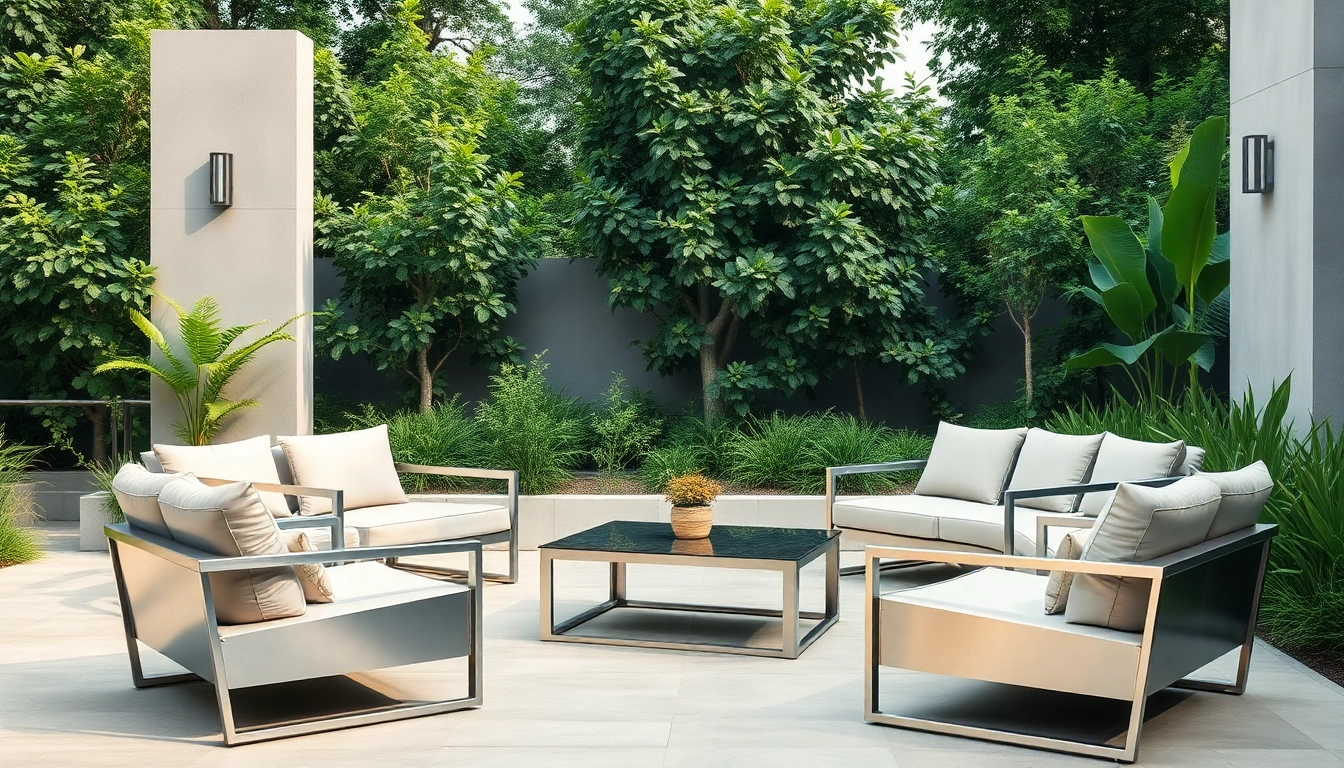
- Residential Spaces: From dining tables to patio furniture, stainless steel is favored for its contemporary style and resilience.
- Commercial Spaces: Restaurants and cafés often incorporate stainless steel tables and chairs for their modern appeal and easy maintenance.
- Healthcare Facilities: Hospitals and clinics use stainless steel furniture due to its sanitary properties and durability.
- Public Spaces: Parks and outdoor areas frequently feature stainless steel benches and fixtures for their ability to withstand weathering.
Designing with Stainless Steel Furniture
Selecting the Right Style for Your Space
The first step in designing with stainless steel furniture is selecting the appropriate style that complements your existing decor. Consider whether your environment leans towards modern, industrial, or minimalist aesthetics:
- Modern: Opt for sleek, clean lines, often characterized by polished surfaces and geometric shapes.
- Industrial: Emphasize raw edges and an unfinished look, pairing stainless steel with reclaimed wood or concrete.
- Minimalist: Choose simple, functional pieces that prioritize utility while maintaining a refined appearance.
Color and Textural Combinations
When combining colors and textures with stainless steel furniture, it’s essential to create a balanced design. Stainless steel naturally reflects light, making it an excellent base to pair with various materials:
- Wood: The warmth of wood contrasts beautifully with the coolness of stainless steel, providing a rich texture.
- Glass: Incorporating glass can enhance the modern aesthetic and bring additional lightness to the space.
- Textiles: Use cushions or throws in vibrant colors to soften the look and add comfort.
Incorporating Accessories with Stainless Steel Furniture
Accessories play a crucial role in enhancing the overall appeal of your design. When incorporating accessories with stainless steel furniture, consider the following:
- Lighting: Unique light fixtures made from materials like glass or wood can create striking contrasts against stainless steel.
- Art Pieces: Artwork or sculptures in various mediums can serve as focal points that pull the entire design together.
- Plants: Add greenery through potted plants or vertical gardens to introduce color and vitality into your space.
Maintenance Tips for Stainless Steel Furniture
Cleaning Techniques for Longevity
To keep your stainless steel furniture looking new, adopt a regular cleaning routine. Here are some effective cleaning techniques:
- Soft Cloth Cleaning: Use a soft, damp cloth with mild soap to wipe down surfaces; avoid abrasive materials that could scratch.
- Specialty Cleaners: For tougher stains, consider stainless steel cleaners specifically designed to remove marks without damaging the finish.
- Regular Polishing: Occasionally polishing with a microfiber cloth can restore the shine and surface integrity of your furniture.
Preventing Rust and Damage
Although stainless steel is resistant to rust, certain precautions can further prevent corrosion:
- Dry Thoroughly: Always ensure that furniture is dried after cleaning to prevent water spots or rust formation.
- Avoid Chlorides: Ensure that cleaning products do not contain chlorides, which can cause pitting and corrosion.
- Use Protective Coatings: Consider applying a protective finish to surfaces exposed to harsh weather conditions outdoors.
Seasonal Care Considerations
When caring for stainless steel furniture, seasonal changes can impact its performance:
- Winter: In harsh winters, store outdoor stainless steel furniture indoors, and regularly check for any surface damages caused by salt exposure.
- Summer: Shield outdoor pieces from direct, prolonged sunlight to minimize fading and maintain appearance.
- Spring/Fall: Clean and treat with protective products as needed to prepare for changing weather conditions.
Cost Considerations for Stainless Steel Furniture
Understanding Your Budget
When factoring in the costs associated with stainless steel furniture, it’s important to consider your budget realistically:
- Initial Investment: While the upfront cost may be higher than other materials, the longevity and durability often justify this investment.
- Maintenance Costs: Minimal ongoing maintenance and cleaning costs make it economically advantageous in the long term.
- Customization Options: Depending on style and specifications, custom-built stainless steel furniture may have varying costs.
Comparative Costs with Other Materials
To fully understand the financial implications of investing in stainless steel furniture, compare it with other materials:
- Wood: Wooden furniture may require more maintenance, repairs, and can decay over time, thus impacting long-term costs.
- Plastic: While plastic furniture is cheaper upfront, it often lacks durability and requires replacement sooner than stainless steel.
- Wrought Iron: Similar durability, but wrought iron furniture can oxidize and require painting or sealing more frequently.
Finding Value in Durable Design
When considering the overall value of stainless steel furniture, take into account:
- Longevity: Its resistance to wear and tear means that stainless steel furniture can last a lifetime.
- Return on Investment: Fewer replacements translate to significant savings over time.
- Eco-Friendly Choice: Stainless steel is often made from recycled materials and can itself be recycled, emphasizing a sustainable design ethos.
Innovative Uses for Stainless Steel Furniture
Trends in Outdoor Living Spaces
The outdoor living trend is on the rise, and stainless steel furniture plays a significant role in this evolution:
- Weather-Resistant Designs: New designs ensure that furniture withstands the elements while providing comfort and style.
- Sustainable Options: More outdoor furniture is made from sustainable materials, including recycled stainless steel, embracing eco-conscious choices.
- Modular Pieces: Modular stainless steel furniture allows for flexible outdoor arrangements that can adapt to various events and seasons.
Maximizing Small Spaces with Functionality
In urban environments where space is often limited, stainless steel furniture offers remarkable solutions:
- Multi-Functional Furniture: Pieces that serve more than one purpose, such as a coffee table that converts into a dining table, are practical for smaller living areas.
- Space-Saving Designs: Slim, minimalist designs ensure that stainless steel furniture does not overwhelm small areas.
- Wall-Mounted Units: Consider wall-mounted or foldable stainless steel pieces that can be stowed away when not in use, maximizing floor space.
The Future of Stainless Steel Furniture Design
As the market for furniture evolves, stainless steel continues to feature in cutting-edge designs:
- Innovative Manufacturing: Advances in manufacturing techniques allow for more complex designs that enhance aesthetic appeal.
- Smart Furniture: Integration with technology is becoming commonplace, with designs that include charging stations and lighting features.
- Upcycled Stainless Steel: Sustainability trends are pushing designers towards using upcycled stainless steel, ensuring both style and environmental responsibility.
Frequently Asked Questions
1. Is stainless steel furniture suitable for outdoor use?
Yes, stainless steel furniture is highly durable and resistant to rust and corrosion, making it perfect for outdoor settings.
2. How do I care for stainless steel furniture?
Regular cleaning with mild soap and water, avoiding harsh chemicals, and drying thoroughly can help maintain its appearance.
3. Can stainless steel furniture be customized?
Absolutely! Many manufacturers offer custom designs and finishes to match your specific style and space needs.
4. Is stainless steel furniture heavy?
Stainless steel furniture can be heavier than other materials; however, it can offer significant structural stability and durability.
5. What styles pair well with stainless steel furniture?
Stainless steel complements various styles, including modern, industrial, and minimalist, creating an elegant aesthetic in any space.