Understanding Cape Cod Homes
The cape cod homes represent an enduring style rooted deeply in American history. Originally designed to withstand the harsh New England weather while providing functional living spaces, these homes have evolved, embodying both charm and practicality. This article explores the historical significance, architectural characteristics, modern adaptations, and many aspects that make Cape Cod homes a beloved choice for both homeowners and builders.
Historical Significance of Cape Cod Homes
Emerging in the early 1600s, Cape Cod homes were designed by colonial settlers who sought practicality and comfort. Their simple, symmetrical designs and steep roofs were not merely aesthetic but functional, ensuring efficient snow runoff and maximizing interior space. Over the centuries, these homes have become synonymous with coastal living, capturing the essence of New England’s charm.
Architectural Characteristics of Cape Cod Homes
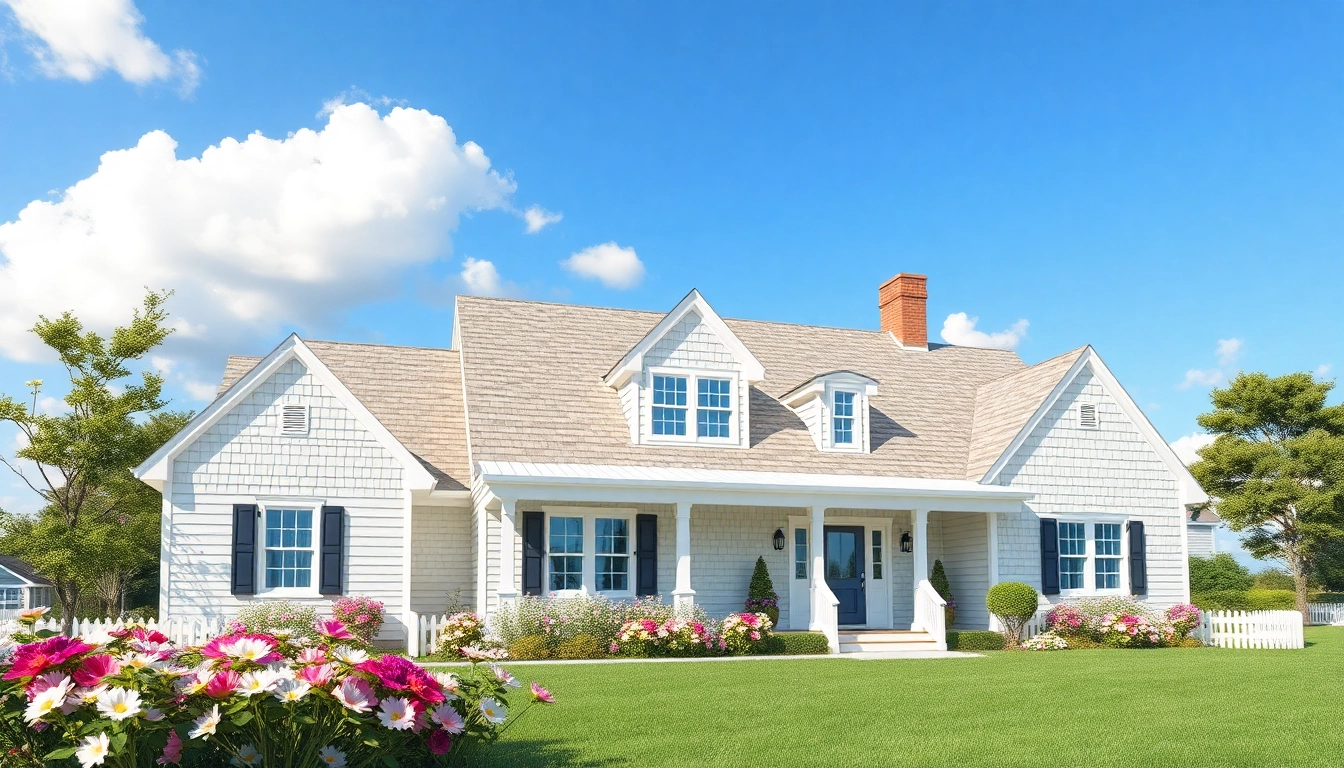
Defined by their iconic gable roofs, dormer windows, and wood siding usually painted in soft colors, Cape Cod homes are quintessentially American. The design typically features a rectangular shape with a centered front door, flanked by evenly placed windows. Most often constructed from wood, these homes often use shingle or clapboard siding which adds to their rustic appeal. The interiors usually include open floor plans with a central fireplace, fostering a warm and inviting atmosphere.
Modern Adaptations in Cape Cod Home Design
As lifestyles change, so too do the preferences for home designs. Many current Cape Cod homes integrate modern features while retaining traditional elements. Open-concept layouts, large windows for natural light, and eco-friendly materials are increasingly prevalent. Additionally, advanced technologies in insulation and heating systems are now commonplace, enhancing comfort while reducing energy consumption, embodying the blend of nostalgia and modernity.
Planning Your Cape Cod Home Construction
Building a Cape Cod home is a worthwhile investment that requires careful consideration and planning. From site selection to budgeting, here are the key details to keep in mind.
Key Considerations for Site Selection
Choosing the right site for your Cape Cod home can significantly influence both design and functionality. Key factors to consider include proximity to the coast, local zoning regulations, and environmental impacts. Understanding soil conditions and drainage patterns is also essential, particularly in areas prone to flooding or heavy snowfall. Leveraging views and natural light by orienting your home correctly can enhance your living experience.
Choosing the Right Materials for Your Cape Cod Home
The materials used in the construction of Cape Cod homes not only affect aesthetic appeal but also long-term durability. Traditional options include cedar shingles, which naturally weather to a lovely grey hue, and painted clapboard, both of which lend authenticity to the design. For modern builds, consider hardie board or vinyl siding for low-maintenance solutions. Interior materials like reclaimed wood or natural stone flooring can enhance the home’s coastal feel while being eco-friendly.
Effective Budgeting for Cape Cod Home Projects
Setting a realistic budget is crucial in any construction project. Begin by outlining your desired features and their estimated costs. Allocate funds for contingencies, about 10-20% of the total budget, to account for unexpected expenses during construction. Researching local contractors and getting multiple quotes can provide insights into competitive pricing in your area. Incorporate energy-efficient technologies early in the planning phase, as these investments can save money in the long term.
Interior Design Ideas for Cape Cod Homes
The interior of your Cape Cod home should reflect its coastal heritage while providing comfort and style. Carefully chosen decorative themes, layouts, and color schemes can significantly impact the ambiance of your living spaces.
Decorative Themes That Complement Cape Cod Aesthetics
Interior design in Cape Cod homes often embraces nautical themes, utilizing color palettes inspired by the sea, such as soft blues, sandy beiges, and crisp whites. Incorporating natural elements like driftwood, shells, and coastal artwork can elevate the space’s charm. Shaker-style furniture, vintage accessories, and woven textiles add warmth and character, emphasizing a relaxed yet sophisticated vibe.
Maximizing Space with Functional Layouts
Given their typically compact size, making the most of available space is important in Cape Cod homes. Open-concept layouts can create a sense of freedom and light, while built-in storage solutions can help maintain organization. Utilizing multi-functional furniture, such as ottomans with hidden storage or Murphy beds for guest rooms, can provide additional space without sacrificing style or comfort.
Incorporating Coastal Elements and Colors
To create a cohesive coastal look, incorporate elements that reflect the landscape surrounding your home. Use light woods, linen fabrics, and handmade ceramics to evoke a beach-like atmosphere. Accent with marine-themed decor, such as fish netting or ocean-inspired prints, to reinforce the lifestyle associated with living in a Cape Cod home. Additionally, large windows can frame beautiful vistas while letting natural light flood into your interior spaces.
Energy Efficiency in Cape Cod Homes
Building an energy-efficient Cape Cod home not only lowers utility bills but also reduces your environmental impact. Modern innovations allow homeowners to enjoy comfort without compromising their values.
Retrofitting Older Cape Cod Homes for Energy Savings
For those with older Cape Cod homes, retrofitting can significantly enhance energy efficiency. Start with key areas such as insulation in walls and attics. Replacing old windows with double or triple-glazed models can drastically reduce heat loss. Advanced heating systems, such as heat pumps or radiant floor heating, can improve comfort levels throughout the winter months while remaining energy-efficient.
Choosing Eco-Friendly Materials and Techniques
Opting for sustainable materials is a vital aspect of modern construction. Using recycled or reclaimed wood reduces demand for new resources and minimizes waste. Eco-friendly insulation options, such as cellulose or engineered foam, offer great thermal performance without harmful chemicals. Solar panels can also be integrated into the design for renewable energy creation, making your Cape Cod home a beacon of sustainability.
Utilizing Natural Light for Energy Efficiency
Maximizing natural light reduces reliance on artificial lighting and improves mental well-being. Consider placing windows and skylights strategically to harness sunlight. Open floor plans and light-colored walls help reflect and amplify light within the space, creating an airy, inviting atmosphere. Incorporating overhangs or awnings can also prevent overheating during the summer while maintaining bright interiors.
Frequently Asked Questions about Cape Cod Homes
What are the main features of Cape Cod homes?
Cape Cod homes are characterized by steep gable roofs, dormer windows, wood siding, and simple symmetrical designs. Their layouts feature central fireplaces and open spaces, emphasizing functionality and comfort.
How can I modernize a Cape Cod home while keeping its charm?
To modernize, consider open-concept designs, larger windows for natural light, and contemporary materials while preserving traditional elements like wood siding and gable roofs for charm and authenticity.
What is the best style for interiors in Cape Cod homes?
Opt for coastal nautically-inspired themes using natural materials, light colors, and functional furniture. Incorporate vintage accessories and textures to enhance warmth and character in the space.
How do I ensure my Cape Cod home is energy-efficient?
Focus on quality insulation, energy-efficient windows, and eco-friendly materials. Incorporate solar panels and maximize natural light to enhance energy efficiency while reducing reliance on heating and cooling systems.
Are Cape Cod homes suitable for year-round living?
Yes, with proper insulation, heating, and modern amenities, Cape Cod homes are very suitable for year-round living. Their design can accommodate winter conditions while still maintaining a cozy, inviting atmosphere.