Understanding the Custom Pergola Configurator
As outdoor living spaces become increasingly integral to our homes, the demand for versatile and stylish structures like pergolas continues to grow. A custom pergola configurator is a powerful tool in this trend, enabling homeowners and designers to create tailor-made solutions that enhance their outdoor areas. This article will explore what a custom pergola configurator is, its benefits, and the essential features that make these tools invaluable in the design process.
What is a Custom Pergola Configurator?
A custom pergola configurator is an online software application that allows users to design their pergolas in real-time. By providing a user-friendly interface, it enables clients to customize various aspects of their pergola, such as dimensions, materials, and colors, all before making a purchase. This technology streamlines the design process, making it accessible even to those without architectural expertise.
Benefits of Using a Pergola Configurator
- Personalization: Users can create a pergola that meets their exact needs and preferences, ensuring it complements their home and landscape.
- Cost-Effective: By visualizing designs and making adjustments before purchasing, users can avoid costly mistakes.
- Time-Saving: The configurator allows for rapid prototyping of ideas, leading to quicker project completion.
- Visual Understanding: 3D renderings help users visualize how their pergola will look in their outdoor space.
Key Features to Look For
When selecting a custom pergola configurator, consider the following features:
- User-Friendly Interface: An intuitive design process that appeals to both novices and experts.
- 3D Visualization: The ability to see the pergola in a 3D space provides clarity and direction during the design phase.
- Material Options: A wide range of customizable materials should be available for both structure and finishing touches.
- Instant Pricing: Users should be able to view pricing dynamically as they make adjustments.
Choosing the Right Materials for Your Pergola
Selecting the appropriate materials for your pergola is crucial, as it affects not only the aesthetics but also the durability and maintenance of the structure. Here, we discuss common materials used in construction, considerations for longevity, and eco-friendly alternatives.
Common Materials Used in Pergola Construction
Several materials are popular in pergola construction, each with distinct properties:
- Wood: Often favored for its natural beauty and versatility, wood can be treated to withstand the elements. Cedar and redwood are popular choices due to their resistance to rot.
- Aluminum: Lightweight and durable, aluminum pergolas are ideal for modern aesthetics and require minimal maintenance.
- Vinyl: A low-maintenance option that mimics wood’s look while offering superior durability and weather resistance.
Durability and Maintenance Considerations
Maintenance requirements and longevity are vital considerations when choosing materials. Wood, while aesthetically pleasing, may require regular treatment to prevent rot and insect damage. Aluminum offers durability with little upkeep, making it an excellent choice for busy homeowners. Vinyl, on the other hand, provides a no-fuss option that resists fading and cracking, making it ideal for various climates.
Eco-Friendly Options for Sustainable Design
With increasing awareness of environmental issues, many homeowners are seeking sustainable materials for their pergolas. Options include:
- Reclaimed Wood: This eco-friendly choice utilizes lumber salvaged from old buildings, promoting sustainability.
- Bamboo: Known for its rapid growth and renewability, bamboo is a strong and sustainable building material.
- Composite Materials: Made from recycled plastics and wood fibers, composites offer a durable and low-maintenance option.
Designing Your Ideal Pergola with the Configurator
Designing a pergola can be an exhilarating journey. With a configurator, you can transform ideas into reality through a step-by-step process that simplifies complex decisions.
Step-by-Step Guide to the Design Process
Utilizing a custom pergola configurator typically involves the following steps:
- Initial Selection: Begin by selecting the type of pergola that best suits your needs.
- Dimension Customization: Input the specific dimensions required for your space.
- Material Choice: Choose your preferred materials and colors based on aesthetics and durability.
- Final Adjustments: Review and modify your design as necessary, ensuring it meets all your requirements.
Customization Options: Colors, Sizes, and Styles
A robust configurator allows for extensive customization options. You can select from a broad spectrum of colors, sizes, and styles that fit your unique tastes. Whether you prefer a modern, sleek design or a rustic, traditional feel, the configurator will assist you in visualizing your choices.
Visualizing Your Design Through 3D Renderings
One of the standout features of a custom pergola configurator is the ability to see 3D renderings of your design. This not only aids in visual comprehension but also allows for modifications before the construction phase begins. By rotating and zooming in on the model, users can ensure every detail aligns with their vision.
Real-World Applications and Case Studies
Understanding how others have utilized pergolas can inspire your own design. Let’s explore some successful implementations and expert insights.
Successful Pergola Designs from Recent Projects
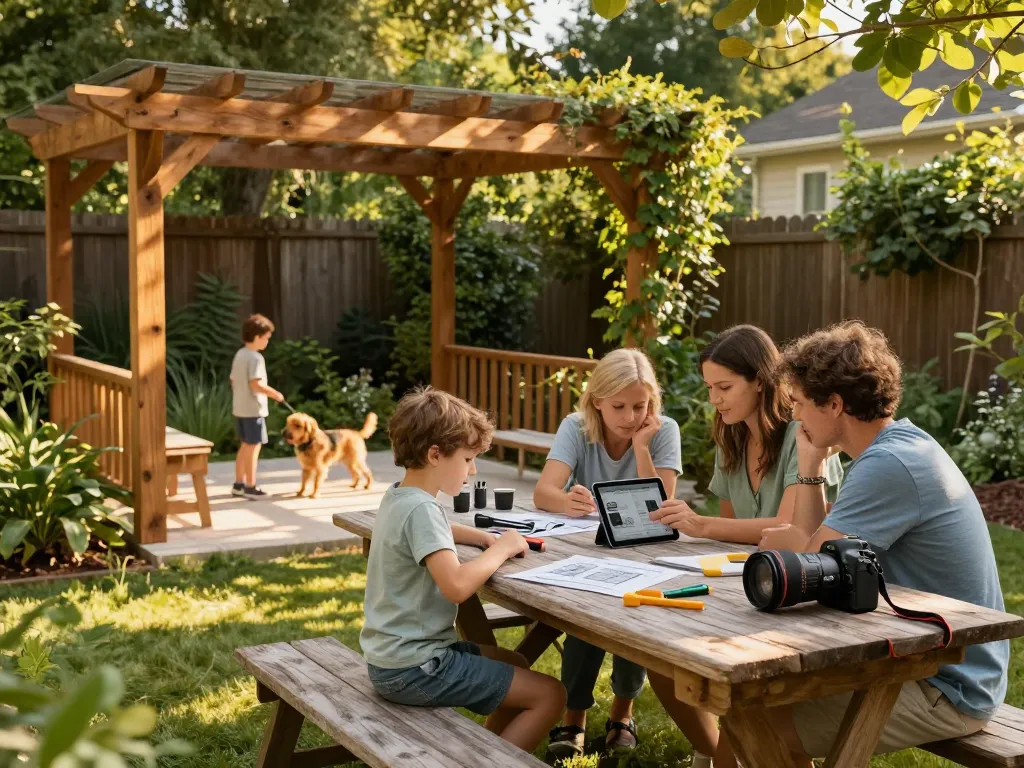
Recent case studies highlight a variety of creative pergola designs. For instance, a family in the suburbs of Colorado used a custom configurator to create a large pergola that integrates seamlessly with their outdoor living area, providing shade and a focal point for gatherings.
How Clients Enhanced Their Outdoor Spaces
Clients have reported significant improvements in their outdoor enjoyment after installing custom-designed pergolas. In one case, a homeowner used the configurator to create a dual-function space that serves as both a dining area and a cozy retreat for reading.
Expert Insights: Tips from Pergola Designers
Pergola designers recommend considering the following when embarking on your project:
- Sun Orientation: Determine how the sun moves through your space to position your pergola for optimal shade.
- Integration with Landscaping: Ensure that your pergola complements existing garden structures and plants.
- Local Regulations: Check with local authorities regarding permits and regulations before construction.
The Future of Pergola Design: Trends for 2026 and Beyond
As technology and design preferences evolve, so too will the world of pergolas. Let’s delve into upcoming trends and innovations that will shape the future of outdoor spaces.
Emerging Technologies in Outdoor Design
The future of pergola design will be heavily influenced by advancements in technology. Virtual reality (VR) and augmented reality (AR) will enable users to immerse themselves in their design before it’s built, providing a complete experience that enhances decision-making.
Popular Styles and Functionality in 2026
Expect to see a rise in multifunctional outdoor structures that combine leisure with practicality. Designers will likely focus on sleek, modern designs that can serve various purposes, such as outdoor entertainment hubs or serene garden retreats.
Incorporating Smart Features into Your Pergola
Smart technology is projected to play a significant role in pergola design, allowing for automated adjustments based on weather conditions. Features could include retractable roofs, LED lighting, and integrated heating systems, creating a comfortable environment year-round.
Frequently Asked Questions
What is a custom pergola configurator?
A custom pergola configurator is a digital tool that allows you to design a pergola tailored to your specific needs, preferences, and space requirements, providing 3D visualizations, material options, and pricing.
How can I use a configurator effectively?
To make the most of a configurator, start by gathering measurements of your intended space, consider your desired design style, and explore different material options to find the best fit for your needs.
What materials are best for custom pergolas?
The best materials depend on your personal preferences, local climate, and maintenance capabilities; popular options include wood, aluminum, and vinyl, each offering unique benefits.
Are there any eco-friendly options for pergolas?
Yes, eco-friendly options include reclaimed wood, bamboo, and composite materials made from recycled products, all contributing to sustainable design practices.
How do I maintain my custom pergola?
Maintenance varies by material; wood may require staining or sealing periodically, while aluminum and vinyl need only occasional cleaning to keep them looking their best.